The Best Font for Versatile, Modern Design Projects
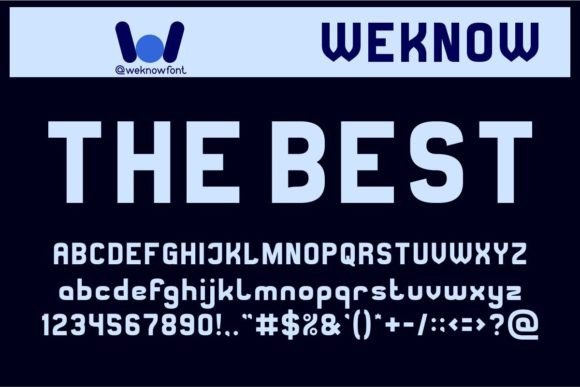
Choosing a typeface for a new brand or creative project is one of those decisions that feels small but carries enormous weight. The right font doesn't just display words—it sets a tone, communicates a personality, and shapes how people perceive your work before they even read a single sentence. If you've been searching for something clean, adaptable, and unmistakably contemporary, you may have already encountered The Best, a basic sans-serif display font that's been quietly gaining traction across a surprisingly wide range of industries.
What makes a font like this worth a closer look? It comes down to versatility. The Best isn't trying to be flashy or overly stylized. Instead, it delivers a confident, modern aesthetic that works equally well on a startup logo, a YouTube thumbnail, a magazine cover, and a corporate brand guide. That kind of flexibility is rare, and it's exactly why designers, entrepreneurs, and content creators keep reaching for it.
A Clean Slate That Still Has Personality
Sans-serif fonts have dominated modern typography for decades, and for good reason. They read well at small sizes, they look sharp on screens, and they pair effortlessly with other typefaces. But not all sans-serifs are created equal. Some feel too generic—like a default system font you'd never intentionally choose. Others lean so hard into a specific vibe (ultra-thin, ultra-bold, overly geometric) that they box you into a narrow set of uses.
The Best threads the needle. Its letterforms are straightforward and balanced, with enough visual interest to stand on their own without competing with your content. The proportions feel intentional—neither too wide nor too condensed—giving it a natural rhythm that's easy on the eyes. Whether you're setting a headline at 72 points or using it for a subheading at 18, the font maintains its clarity and character.
This is the kind of typeface that doesn't demand attention but quietly earns trust. It says, "We know what we're doing," without shouting about it. For anyone building a brand identity from scratch, that subtle confidence is invaluable.
Where The Best Actually Works
One of the most practical things about a versatile display font is that you can use it across multiple touchpoints without everything starting to look disjointed. Think about how many different surfaces your brand or project touches: a website header, an Instagram post, a business card, a product label, a presentation slide, maybe even a poster for an event. Using the same core typeface across all of these creates visual consistency, and visual consistency is what turns a collection of designs into a recognizable brand.
Here's where The Best shines in real-world applications:
- Logo and logotype design: Its clean geometry makes it an excellent starting point for wordmarks and letter-based logos. You can use it as-is for a minimalist look or customize individual letterforms to add a unique twist.
- Packaging and labels: Product packaging needs to communicate quickly and look good from a distance. A bold weight of this font works well for product names, while a lighter weight handles ingredient lists and descriptions.
- Social media graphics: Platforms like Instagram, TikTok, and YouTube reward bold, readable text overlays. The Best holds up well in fast-scrolling environments where you have maybe half a second to grab someone's attention.
- Website and blog design: As a display font, it pairs beautifully with a more neutral body text typeface. Use it for navigation menus, hero sections, and feature callouts to give your site a polished, professional feel.
- Editorial and print layouts: Magazine covers, book titles, and report headers all benefit from a typeface that looks authoritative without feeling stuffy. This font fits that brief perfectly.
- Merchandise and apparel: T-shirts, tote bags, mugs—anywhere you need text to be instantly readable and visually appealing, a well-chosen sans-serif display font makes the job easier.
- Invitations and event materials: Wedding invitations, conference flyers, and event posters often need a font that feels modern but approachable. The Best strikes that balance nicely.
- Digital products and marketing assets: Ebooks, lead magnets, email headers, ad banners—these materials need to look cohesive with the rest of your brand, and using a consistent typeface is one of the simplest ways to achieve that.
Matching Typography to Your Project Goals
Before you commit to any font, it's worth pausing to think about what your project actually needs. Typography isn't just about aesthetics—it's a communication tool. The font you choose should reinforce the message you're trying to send.
Ask yourself a few questions:
- What's the primary emotion or impression? A tech startup wants to feel innovative and trustworthy. A music artist might want to feel edgy and bold. A children's brand needs to feel friendly and approachable. The Best leans modern and professional, which makes it a strong fit for brands that want to appear current, reliable, and design-forward.
- Where will this font appear most often? If it's primarily for digital use—social media, websites, video thumbnails—you'll want to test it at various screen sizes. If it's for print, check how it reproduces at both large and small scales.
- Who's your audience? A younger, design-savvy audience might appreciate something with more flair, while a corporate audience might prefer restraint. Knowing your audience helps you narrow down whether a particular typeface aligns with their expectations.
These aren't abstract design theory questions. They're the same questions a brand strategist asks before recommending a visual identity, and they apply whether you're designing a logo for a client or creating a personal brand for your own creative business.
Getting the Most Out of Font Pairings
A display font rarely works in isolation. Most projects need at least two typefaces—one for headlines and one for body text. The trick is finding a pairing that creates contrast without conflict.
The Best works well alongside a wide range of complementary fonts. If you're going for a classic, editorial feel, try pairing it with a traditional serif for your body copy. If you want everything to feel thoroughly modern, a clean sans-serif with a different weight or proportion can create subtle hierarchy without introducing visual clutter. For projects that need a human touch—like a lifestyle blog or a handmade product brand—a script or handwritten font used sparingly for accents can add warmth while The Best handles the structural heavy lifting.
The key principle is contrast. If your headline font is bold and geometric, your body font should be lighter or more organic, so the two don't blur together. Test your pairings at actual sizes, in actual contexts, before finalizing anything. A combination that looks great in a font preview might feel cramped on a mobile screen or too loose on a printed page.
Practical Details Worth Checking
When evaluating any premium font, a few practical considerations can save you headaches down the road:
- Included styles and weights: Does the font family include light, regular, medium, bold, and black options? Having multiple weights gives you more flexibility for creating hierarchy without introducing a second typeface.
- Character set and language support: If your audience includes non-English speakers, verify that the font includes the necessary accented characters and special glyphs.
- File formats: Make sure the font comes in formats compatible with your tools—OTF and TTF for desktop design software, WOFF and WOFF2 for web use.
- Commercial licensing: This is non-negotiable. If you're using a font for a business, a product, or any project that generates revenue, you need a commercial license. Read the license terms carefully. Some licenses cover specific use cases (desktop, web, app, embedding) and may require separate purchases for different applications. Don't assume a free download means free for commercial use—it almost never does.
Taking ten minutes to review these details before starting a project can prevent costly redesigns or legal issues later. It's the kind of boring-but-essential step that separates professional work from amateur guesswork.
Why Simplicity Often Wins
There's a reason the most enduring logos and brand identities tend to rely on simple, well-crafted typography. Trends come and go—decorative fonts, distressed textures, elaborate scripts—but a clean sans-serif with solid fundamentals never looks dated. It adapts to new contexts, new platforms, and new design trends without needing to be replaced.
The Best fits into that category. It's not trying to reinvent typography. It's doing something arguably more valuable: providing a reliable, attractive foundation that lets your content, your products, and your ideas take center stage. Whether you're a freelancer building client brands, a small business owner designing your own materials, or a content creator looking for a typeface that works across every platform, having a dependable display font in your toolkit is one of the smartest design investments you can make.
Test it out. Pair it with something unexpected. Use it for a project that matters to you. The best way to know if a font is right for your work is to put it to work—and see how it performs in the real world, not just on a specimen sheet.