Before After: A Sans Serif for Modern Branding Projects
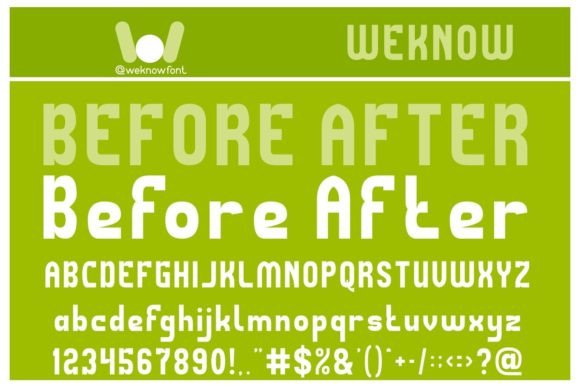
Finding a font that feels both contemporary and timeless is a common challenge for designers and creators. You need something that communicates clearly, works across multiple platforms, and carries a distinct personality without overshadowing your content. Before After is a basic sans serif various display font designed to meet these exact needs. Its clean lines and versatile nature make it a practical choice for anyone building a visual identity from the ground up or refreshing an existing one.
Visual Clarity Meets Adaptable Character
At its core, Before After presents the straightforward legibility of a sans serif typeface. This means no decorative serifs or complex flourishes that might complicate reading at small sizes. However, labeling it as "basic" undersells its utility. The "various display" aspect suggests it includes multiple styles or weights, allowing you to create hierarchy and emphasis within your designs. Think of it as a workhorse font with enough range to handle both a bold headline on a poster and readable text on a website. Its modern typography sensibility ensures it doesn't look dated next to current design trends, while its simplicity helps it blend seamlessly into diverse projects.
From Logo Concept to Full Brand System
One of the most significant applications for a font like Before After is in developing a cohesive brand identity. Your logo is often the first touchpoint, and using a well-chosen typeface here sets the tone for everything that follows. A sans serif like Before After can convey approachability, innovation, or professionalism depending on the context and how it's used. Imagine it as the logotype for a new tech startup, a boutique coffee roaster, or a personal coaching service. Its neutrality allows the brand's unique voice to come through.
The real value extends far beyond the logo. Consistent typography is the glue that holds a brand together. Using the same typeface across your business cards, letterheads, packaging, and digital assets builds recognition. When a customer sees your Instagram post, visits your website, and then receives an email, the consistent use of Before After creates a subconscious sense of familiarity and trust. This visual consistency is a cornerstone of professional presentation, signaling that you’ve thought carefully about every detail of how your brand communicates.
Practical Applications Across Media
The versatility of a font like Before After is its greatest strength. Consider its role in different scenarios:
- Digital Presence: On a website or blog, it ensures readability for body text when paired with a complementary serif or script font for headings. For social media graphics, its clear forms stand out in crowded feeds, whether used for a bold quote overlay on an image or as the primary text in an infographic.
- Print and Packaging: In editorial design, such as magazines or book covers, it can create a clean, modern layout. For packaging design, it provides essential information like product name and ingredients without visual clutter, letting the product itself shine.
- Merchandise and Marketing: Applied to apparel, posters, or invitations, it adapts to the material. A bold weight on a t-shirt feels different than a light weight on a wedding invitation, yet the underlying typeface maintains brand cohesion. It’s equally effective for digital products like e-books or online course materials.
This adaptability makes it a practical addition to any designer's toolkit. Instead of sourcing a new font for every client or project, you can rely on a single, versatile typeface that can be customized through weight, spacing, and color to suit vastly different contexts.
Making Strategic Typography Choices
Selecting a font should be a strategic decision, not just an aesthetic one. Before choosing Before After or any typeface, clarify your project's primary goal. Is it to attract a youthful, energetic audience? To establish authority and trust? To evoke elegance and minimalism? The font's personality must align with that goal. A sans serif is generally a safe choice for modern, accessible, and clean communication.
A crucial step is testing font pairings. Before After will likely need a companion font for longer passages of text or to add a contrasting style. Pair it with a serif font for a classic, readable combination in editorial layouts. Try it with a handwritten or script font for a more personal, creative feel in logos or social media posts. Always test these pairings in context—see how they look on a mock-up website, a sample business card, or a draft poster.
Never overlook readability. Check how the font performs at small sizes, especially for body text on screens. Ensure sufficient contrast between the text and its background. Review the included font styles; does the family offer regular, bold, italic, and perhaps condensed or extended versions? This range gives you more tools to create visual hierarchy and solve layout problems.
Finally, always verify the commercial licensing. A premium font designed for professional use will come with a license that permits its use in commercial projects, logos, and merchandise. Understanding these terms protects you legally and ensures you can use the font across all your intended applications without restriction.
Building Cohesion with a Reliable Typeface
In a landscape saturated with visual noise, clarity and consistency are powerful. A font like Before After serves as a reliable foundation. It doesn’t scream for attention, but it does its job exceptionally well: communicating your message effectively and supporting your overall design. By integrating it thoughtfully into your brand system—from the largest billboard to the smallest favicon—you build a visual language that is professional, recognizable, and adaptable to the ever-changing demands of creative projects. The right typeface doesn’t just hold words; it helps shape how those words are perceived and remembered.