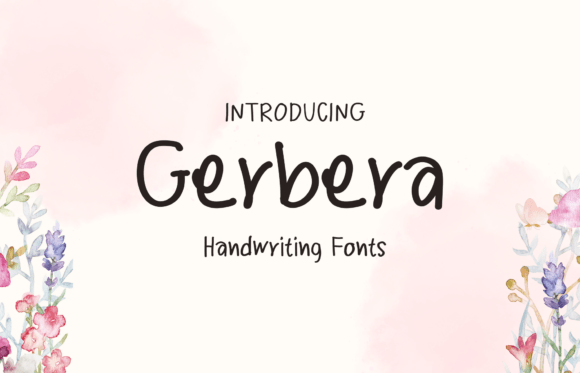
Gerbera Font: A Sweet Handwritten Typeface for Creative Projects
Every designer knows the feeling of searching for that perfect typeface—the one that instantly brings warmth and personality to a project. Gerbera is exactly that kind of font. This sweet and friendly handwritten display typeface has a playful charm that makes it stand out without overwhelming your designs. Whether you're crafting a wedding invitation, designing social media graphics, or building a brand identity from scratch, Gerbera offers a refreshing alternative to the standard sans serif and serif fonts that dominate most design toolkits.
What makes Gerbera particularly appealing is its versatility. It's cute and fun without being childish, making it suitable for both personal projects and commercial applications. The handwritten style gives text a human touch that connects with audiences on an emotional level—something that's increasingly valuable in a world saturated with digital perfection.
Understanding the Visual Character of This Handwritten Font
Gerbera belongs to the display font category, which means it's designed to make a visual impact rather than serve as body text. Its letterforms mimic natural handwriting with smooth curves and consistent spacing that feels organic yet polished. Unlike some script fonts that can feel overly formal or calligraphic, Gerbera strikes a balance between casual and professional.
The font's visual personality works exceptionally well for projects that need to communicate approachability. Think about the difference between a corporate report and a handwritten thank-you note—Gerbera brings that same personal quality to digital and print designs. It's the kind of typeface that makes viewers feel like they're interacting with a real person rather than a faceless brand.
When evaluating any creative font, it's worth examining how the letterforms interact with each other. Gerbera handles ligatures and spacing gracefully, maintaining readability even at smaller sizes. This is crucial for applications like packaging design or social media graphics where text might appear in various contexts and dimensions.
Practical Applications Across Design Disciplines
The beauty of a well-crafted handwritten font lies in its adaptability. Gerbera works across multiple design contexts, making it a valuable addition to any designer's font library.
Branding and Logo Design
For small businesses and creative entrepreneurs, Gerbera offers a distinctive voice that can help differentiate a brand in crowded markets. A bakery, boutique, or artisan service might use this typeface to convey warmth and craftsmanship in their logo design. The handwritten quality suggests authenticity and personal attention—qualities that resonate with consumers seeking genuine connections with the brands they support.
Print Materials and Invitations
Wedding planners and event designers frequently turn to script fonts for their projects, but Gerbera provides a more contemporary alternative. Its friendly aesthetic works beautifully for save-the-dates, wedding invitations, birthday cards, and party announcements. The font maintains elegance while avoiding the sometimes stuffy formality of traditional calligraphy styles.
Digital Products and Social Media Graphics
Content creators and marketers will appreciate how Gerbera performs in digital environments. It's particularly effective for Instagram quotes, Pinterest graphics, YouTube thumbnails, and blog headers. The font's playful character helps content stand out in crowded social feeds, encouraging engagement and shares. For digital products like printable planners, worksheets, or educational materials, Gerbera adds a welcoming touch that enhances the user experience.
Packaging and Merchandise
Product packaging design benefits enormously from typography that communicates brand personality at a glance. Gerbera works well for artisanal products, specialty foods, cosmetics, and lifestyle goods. On merchandise like t-shirts, tote bags, and mugs, the font's casual charm translates perfectly, creating designs that people actually want to wear and use.
Editorial and Web Design
Bloggers and website owners can use Gerbera strategically for headlines, pull quotes, and accent text. While it's not suited for long-form body copy, it excels at creating visual hierarchy and drawing attention to key messages. When paired with a clean sans serif font for body text, Gerbera creates an engaging contrast that keeps readers interested.
How Thoughtful Font Selection Improves Design Outcomes
Choosing the right typeface isn't just about aesthetics—it directly impacts how audiences perceive and interact with your work. Here's how a font like Gerbera can enhance your projects:
- Visual Consistency: Using a single typeface family across multiple touchpoints creates cohesion that strengthens brand recognition. When customers see consistent typography on your website, packaging, and social media, they begin to associate that visual language with your business.
- Audience Engagement: Handwritten fonts like Gerbera evoke emotional responses that purely functional typefaces often miss. This emotional connection can increase time spent on pages, improve click-through rates, and encourage social sharing.
- Professional Presentation: Despite its casual appearance, Gerbera is professionally designed with attention to spacing, kerning, and overall legibility. This means your projects maintain a polished look even when using a playful typeface.
- Brand Differentiation: In markets where competitors rely on similar stock fonts, choosing a distinctive typeface helps your brand stand out. Gerbera's unique character can become part of your visual signature.
Practical Tips for Working with Gerbera
Getting the most from any display font requires some strategic thinking. Here are practical recommendations for incorporating Gerbera into your design workflow:
Test Font Pairings Before Committing. Gerbera works beautifully alongside clean sans serif fonts like Montserrat, Open Sans, or Lato. The contrast between the handwritten display font and a structured body font creates visual interest while maintaining readability. Avoid pairing it with other decorative fonts, which can create visual chaos.
Consider Your Project's Context. While Gerbera is versatile, it's not appropriate for every situation. Legal documents, technical manuals, and formal corporate communications typically require more neutral typography. Save Gerbera for projects where personality and warmth are assets rather than liabilities.
Review Included Font Styles. Many premium fonts come with multiple weights, alternates, or stylistic variations. Before starting a project, explore what options are available. These variations can help you create more sophisticated typographic hierarchies and add subtle visual interest.
Pay Attention to Readability at Different Sizes. Display fonts are designed for larger text applications, so always test how Gerbera performs at the sizes you'll actually use. What looks charming at 48 pixels might become illegible at 14 pixels. Adjust your design accordingly.
Understand Commercial Licensing. If you're using Gerbera for client work, merchandise, or any commercial application, verify that your license covers these uses. Most premium font licenses distinguish between personal and commercial projects, so clarify this before finalizing designs.
Bringing Creative Vision to Life with the Right Typography
Typography remains one of the most powerful tools in a designer's arsenal. The fonts you choose communicate volumes about tone, personality, and intention before anyone reads a single word. Gerbera represents a thoughtful choice for projects that need to feel approachable, genuine, and human.
Whether you're a freelance designer building client brands, a small business owner creating marketing materials, or a hobbyist exploring creative projects, having a reliable handwritten font in your toolkit expands your creative possibilities. Gerbera's friendly aesthetic bridges the gap between professional polish and personal warmth—a combination that resonates across audiences and applications.
As you explore new design projects, consider where a typeface like Gerbera might enhance your work. Sometimes the smallest typographic choices make the biggest difference in how your audience experiences and remembers your designs.