Kemonry: A Sweet Handwritten Font for Creative Projects
Every designer knows the feeling: you're working on a project and something just feels off. The layout is solid, the colors work, but the typography lacks that special spark. This is where a font like Kemonry enters the conversation. It's not just another script typeface; it's a tool that brings warmth, personality, and a distinctly human touch to your work. Think of it as the digital equivalent of a friendly, handwritten note in a world of sterile, automated text.
The Friendly Character Behind the Curves
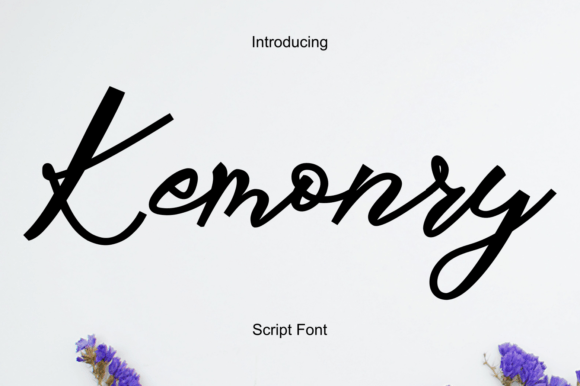
Kemonry is a sweet and friendly handwritten font. Its visual appeal lies in its natural flow and unique style. Unlike rigid, formal script fonts, Kemonry has a relaxed, approachable character. The letterforms have a gentle bounce and soft connections, making them feel organic and authentic. This isn't a font that tries to be overly elegant or calligraphic; it embraces a charming imperfection that resonates with audiences seeking genuine, relatable content. It’s this quality that makes it incredibly fitting to a large pool of designs. The only limit is your imagination!
As a premium font, it often comes with thoughtful details. You might find a set of stylistic alternates—different versions of certain letters—that allow you to customize the look and avoid repetitive patterns. Ligatures, where specific letter pairs connect in a special way, can also be included, adding to the fluid, handwritten feel. These features are what separate a basic free font from a polished commercial font designed for professional use.
Where This Handwritten Font Truly Shines
The real value of a creative font like Kemonry is measured by its practical applications. Its versatility is its strength, adapting seamlessly to a variety of contexts where a personal touch is needed.
- Brand Identity & Logo Design: For brands that want to communicate approachability, creativity, or a personal touch—think boutique bakeries, artisan craftspeople, lifestyle bloggers, or indie coffee shops—Kemonry can be a cornerstone of the visual identity. Used in a logo or as a brand font for headings, it immediately sets a friendly and memorable tone.
- Packaging & Merchandise: Imagine a product label for handmade soap or a tote bag design for a local market. Kemonry’s style suggests care, craftsmanship, and a story behind the product. It helps create packaging that stands out on a shelf by feeling more personal and less corporate.
- Digital Presence: In the crowded space of social media graphics, a handwritten font can stop the scroll. Use it for quotes, promotional announcements, or Instagram Story text to add personality. On a website or blog, it’s perfect for headers, pull quotes, or author bios, making the digital experience feel more human.
- Print & Editorial Design: From wedding invitations and greeting cards to magazine feature headers and book covers, Kemonry adds an emotional layer. In editorial design, it can be used sparingly to highlight a key phrase or section title, creating visual interest and guiding the reader’s eye.
Smart Typography: Pairing and Practical Advice
Using a distinctive display font like Kemonry effectively requires some strategic thinking. Its strength is in headlines and short bursts of text, not lengthy paragraphs. Here’s how to make it work for you:
Master the Font Pairing: The golden rule is contrast and balance. Pair Kemonry with a clean, neutral sans serif font for body text. Think of fonts like Lato, Open Sans, or Montserrat. The simplicity of the sans serif will provide a stable foundation, allowing Kemonry’s personality to shine without overwhelming the reader. Avoid pairing it with another ornate script font or a highly decorative serif font, as this can create visual chaos.
Consider Readability First: While Kemonry is charming, its primary role is for display purposes. Use it for titles, short phrases, or call-to-action buttons. For longer sentences or paragraphs, especially on screens, always opt for a highly readable body font. Test your designs at different sizes to ensure that the unique letterforms don’t become illegible, particularly in smaller applications like mobile website headers.
Explore the Included Styles: A well-crafted typeface family often includes more than one weight. Check if Kemonry comes with a light, regular, or bold version. This gives you flexibility. You might use the light version for a subtle, elegant subhead and the regular weight for a primary header. Understanding your full toolkit of design assets prevents you from missing out on nuanced typographic control.
Licensing is Key for Commercial Use: If you’re using Kemonry for a client project, a product you sell, or marketing materials for a business, you need to ensure you have the correct commercial license. Most premium fonts require a license that permits this kind of use. Always read the terms provided by the font foundry or marketplace to avoid legal issues down the line. This is a critical part of professional web design and graphic design.
Building Consistency and Connection
When you integrate a font like Kemonry thoughtfully across your projects, it does more than just look nice. It becomes a tool for building visual consistency. Using the same friendly typeface across your website, social media, and printed materials creates a cohesive brand experience. This consistency is fundamental to strong brand recognition—your audience starts to associate that specific visual style with you.
Ultimately, the goal of good modern typography is to communicate a message effectively while evoking the right feeling. Kemonry excels at the latter. It doesn’t just deliver words; it delivers a mood—warmth, creativity, approachability, and authenticity. For the designer, marketer, or small business owner, that emotional connection is often what transforms a good project into a great one that truly engages its audience. It’s a reminder that in the world of logo design and packaging design, the details of how something is said are just as important as what is said.