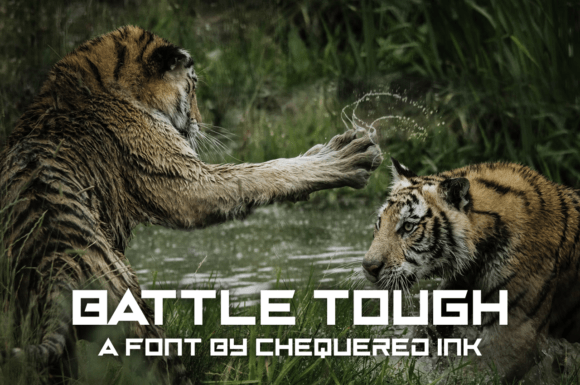
Battle Tough: The Font with a Hand-Crafted, Rugged Edge
There’s a moment in every design project where you need a typeface that doesn’t just sit politely on the page—it needs to stand its ground. Maybe you’re crafting a logo for a startup that prides itself on durability, or designing packaging for an artisan product that needs to convey strength and authenticity. This is where a font like Battle Tough enters the conversation, offering a distinct, hand-crafted aesthetic that feels immediate and real.
Unlike sterile, machine-generated typefaces that can sometimes lack personality, a font with a crafted, textured quality tells a story before a single word is read. It suggests a human touch, a deliberate choice, and a specific brand attitude. This kind of display font is less about blending in and more about making a confident, memorable statement.
Understanding the Visual Language of a Rugged Typeface
At its core, a font like Battle Tough is a display typeface, meaning it’s designed for impact at larger sizes—think headlines, logos, and posters rather than body text. Its visual language is built on a few key characteristics:
- Textured Imperfections: The edges might appear slightly weathered or uneven, mimicking the look of hand-lettering, stamping, or even industrial stencils. This texture adds depth and prevents the text from feeling flat or digital.
- Strong, Confident Strokes: The letterforms often have a heavy weight and a sturdy construction. This isn’t a delicate script; it’s a serif font or sans serif font built to project stability and resilience.
- A Sense of Movement: Even with its solidity, a well-designed rugged font avoids feeling static. There’s often a subtle rhythm or slight variation that keeps the design feeling organic and energetic.
This combination makes it exceptionally effective for projects that need to convey themes of adventure, craftsmanship, heritage, strength, or outdoor ruggedness. It’s a typeface with a clear point of view.
Practical Applications: Where Does a Font Like This Shine?
The true test of any premium font is its versatility in the real world. A typeface with this character can be a secret weapon across a surprising range of creative and commercial projects.
For Branding and Logo Design: This is perhaps its most natural habitat. A logo set in a textured, bold font can instantly communicate a brand’s core values. Imagine it for a:
- Craft brewery or distillery
- Outdoor apparel or gear company
- Independent toolmaker or workshop
- Specialty coffee roaster
- Music festival or band merchandise
The font becomes a cornerstone of the brand identity, ensuring the logo feels unique and full of character from day one.
For Packaging and Product Design: On a shelf or a screen, packaging needs to grab attention fast. Using this typeface for product names, taglines, or key descriptors on labels, boxes, or bags can create an immediate connection with the product’s story. It works beautifully for artisanal goods, gourmet foods, or any product where the maker’s hand is part of the appeal.
For Digital and Social Media: In the fast-scrolling world of social media, visual distinctiveness is crucial. A creative font like Battle Tough can make Instagram graphics, YouTube thumbnails, or website headers pop. It helps establish a recognizable visual style that followers start to associate with your content, boosting brand recognition even in a crowded feed.
For Print and Merchandise: Think beyond the digital. This typeface has serious legs for:
- Poster design for events, concerts, or promotions.
- Merchandise like T-shirts, hats, and tote bags where the text itself is a design element.
- Invitations for events with a rustic, vintage, or bold theme.
- Editorial layouts in magazines or books, especially for chapter titles or pull quotes that need to stand out.
Making It Work: Pairing and Readability Tips
A powerful font demands a thoughtful partner. One of the most common mistakes is pairing a bold, textured display font with another complex typeface. The result is visual noise.
The golden rule is contrast and simplicity. To maintain readability and professional presentation, pair your rugged headline font with a clean, neutral companion for body text. Consider:
- A simple, geometric sans serif font like Helvetica, Arial, or Open Sans.
- A clean, modern serif font like Georgia or Times New Roman for a classic contrast.
- A straightforward script font or handwritten font for a softer, more personal touch, but only if it’s highly legible at smaller sizes.
Always test your pairings at the actual size they’ll be used. What looks great as a headline on your monitor might become an unreadable blob on a mobile screen or a small print label. Ensure there’s enough contrast in weight and style to create a clear visual hierarchy. The goal is for the display font to attract and the body font to inform, working together seamlessly.
From Design Asset to Brand Strategy
Choosing a typeface like this is more than an aesthetic decision; it’s a strategic one. It’s about aligning your visual communication with your brand’s personality. When used consistently across your marketing assets, from your website to your email newsletters to your packaging design, it builds a cohesive world for your audience.
This consistency is what transforms a nice-looking font into a genuine design asset. It helps with audience engagement because people start to recognize and feel familiar with your visual language. A customer should be able to spot your brand’s style in a crowded marketplace or a busy social media platform, and a distinctive typeface is a powerful tool for achieving that.
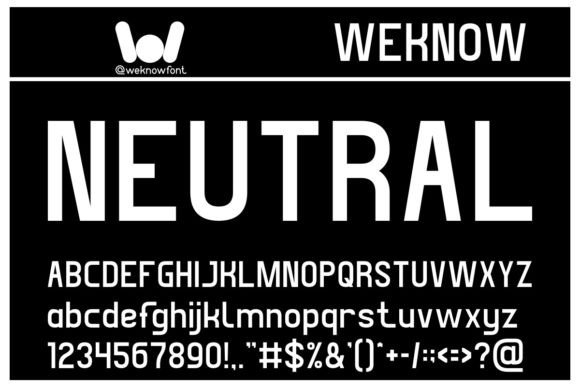
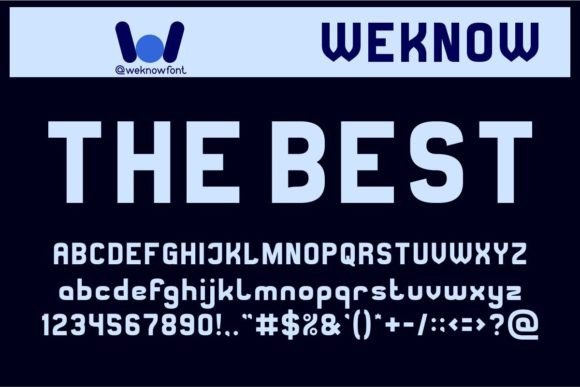
Before finalizing your choice, review the full character set of the font. Does it include the punctuation, numerals, and special characters you need? Does it offer different weights or styles (like bold, italic, or outline) that could add versatility to your designs? Understanding the full scope of what you’re getting ensures you can use the font to its fullest potential across all your projects.
Finally, always check the licensing. For any commercial use—whether it’s for a client’s logo, your own business’s merchandise, or a digital product you sell—you need to ensure the font’s license covers that application. A reputable commercial font will provide clear licensing terms, giving you peace of mind to use it widely.
In the end, a typeface with this much character is about making a choice. It’s choosing to stand out, to tell a story with your typography, and to give your project a voice that is unmistakably its own. It’s the difference between a design that’s merely functional and one that truly resonates.