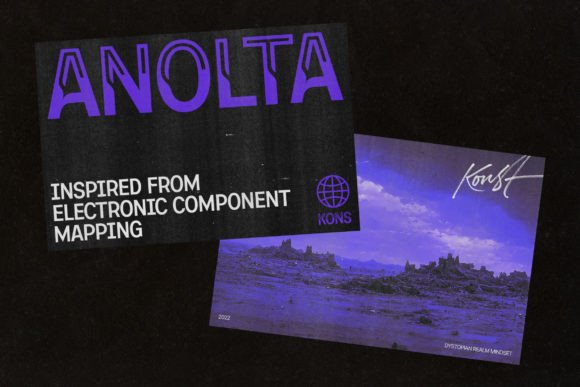
Anolta: A Typeface for the Bold and Unconventional
There’s a shift happening in design. The overly polished, safe aesthetic is giving way to something rawer, more expressive, and intentionally imperfect. This anti-design movement isn’t about rejecting beauty—it’s about challenging conventions to create something that feels immediate and authentic. At the heart of this visual rebellion is a new class of typefaces, and Anolta stands out as a prime example. It takes the familiar skeleton of a sans serif font and injects it with a distinctive, tweaked personality, offering a tool for anyone looking to step up their visual game and make a memorable mark in a crowded market.
Understanding the Anolta Vibe
Anolta isn’t your average, run-of-the-mill typeface. It’s a premium font born from the anti-design trend, meaning it deliberately plays with the rules of traditional typography. You’ll notice subtle irregularities, unexpected curves, or structural tweaks that give it a unique, almost rebellious character. This isn’t about being difficult to read; it’s about adding a layer of visual interest and modern edge. Think of it as the typographic equivalent of a well-designed piece of streetwear—recognizable, confident, and a little bit disruptive. For designers and creators, this means your work can instantly communicate a sense of contemporary cool and creative confidence.
Where This Creative Font Truly Shines
The real value of a display font like Anolta is in its application. Its bold personality makes it a powerhouse for projects where you need to grab attention and hold it. This is a typeface built for the visual front lines.
- Branding & Logo Design: A logo sets the tone for everything. Anolta’s unique form helps create a brand identity that feels current and dynamic, perfect for startups, tech companies, creative agencies, or any brand wanting to project innovation.
- Esports & Gaming: The energy of competitive gaming aligns perfectly with Anolta’s aesthetic. Use it for team logos, tournament graphics, streaming overlays, and merchandise to connect with a youthful, passionate audience.
- Music & Entertainment: From album artwork and concert posters to music video titles and streaming visuals, this typeface helps artists and labels craft a visual identity that matches the intensity and creativity of their sound.
- Apparel & Streetwear: Typography is central to streetwear culture. Anolta’s distinctive look is ideal for apparel graphics, hang tags, and lookbook layouts, giving clothing lines an instant badge of authenticity.
- Posters & Editorial Design: For event posters, magazine features, or blog graphics, Anolta commands the page. It works beautifully as a headline font, setting a strong tone that draws readers into the content.
Pairing Anolta with Other Typefaces
While Anolta makes a powerful statement on its own, thoughtful font pairing is key to balanced and effective design. The goal is to let Anolta’s personality lead without overwhelming the viewer, especially in longer text blocks.
A classic strategy is to pair a bold sans serif font like Anolta with a clean, neutral companion. For body copy, consider a highly readable serif font or a simple, geometric sans serif. This creates a clear hierarchy, where Anolta captures attention for headlines and the secondary font ensures comfort for extended reading. For projects leaning into a more playful or eclectic vibe, you might experiment with a subtle script font or handwritten font for accents, but use these sparingly to maintain clarity. Always test your pairings in context—see how they look on a mockup website, a sample business card, or a social media post to ensure the visual conversation between them feels right.
Practical Tips for Using Anolta Effectively
Integrating a distinctive typeface into your workflow requires some practical thought. Here’s how to get the most out of this creative font:
- Review the Font Styles: Don’t just look at the standard weight. A quality font family like Anolta often includes multiple styles—light, regular, bold, italic, or even stylistic alternates. Exploring these options gives you more flexibility to fine-tune your message’s tone.
- Test for Readability: While designed for impact, always check how your chosen style performs at the intended size. A headline that looks stunning on a poster might need a different weight or spacing when used as a subhead on a website. Zoom out and squint test your designs.
- Mind the Commercial License: If you’re using Anolta for client work, merchandise, or any commercial project, ensure your license covers that use. Understanding the terms protects you and your clients legally, which is a non-negotiable part of professional design assets management.
- Match the Font to the Goal: Is your project about futuristic tech, urban culture, or avant-garde art? Anolta’s anti-design roots make it a natural fit for these themes. For a more traditional or formal context, it might be better as a subtle accent rather than the primary typeface.
Elevating Your Visual Communication
Ultimately, typography is a silent ambassador for your brand or project. Choosing a typeface like Anolta is a strategic decision. It improves visual consistency when used across all your touchpoints—from your website and social media graphics to your packaging and print materials. This consistency builds brand recognition; your audience starts to associate that unique typographic voice with your identity.
Furthermore, its professional presentation signals that you pay attention to detail and understand current design trends. In a world saturated with generic visuals, this thoughtful approach boosts audience engagement. People are more likely to stop scrolling, read a poster, or remember a brand that presents itself with clarity and distinct style.
Anolta is more than just a set of characters; it’s a tool for expression. It empowers designers, entrepreneurs, and creators to inject a dose of contemporary boldness into their work. Whether you’re crafting a new brand identity, designing social media graphics that pop, or developing marketing assets that stand out, this typeface offers a fresh path to visual distinction. It’s about making a choice that aligns with a modern, confident aesthetic and communicating that choice effectively to the world. In the end, the right font doesn’t just display words—it helps tell your story.