Octa Brain: A Sci-Fi Sans Serif for Bold Visuals
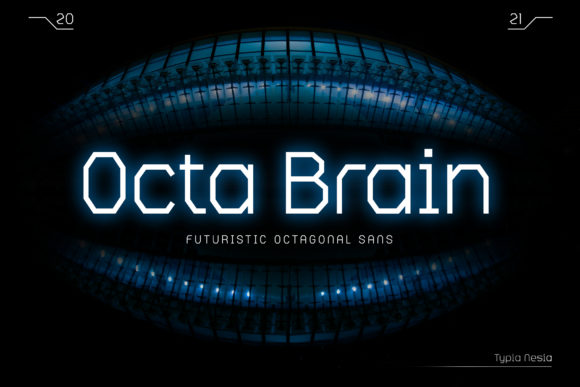
You know that feeling when a project needs something that’s both futuristic and familiar? It’s a tricky balance. You want a typeface that grabs attention, feels modern, and carries a certain energy, but it can’t be so out-there that it becomes unreadable or kitschy. That’s the sweet spot where a font like Octa Brain lives. It’s a sci-fi sans serif that doesn’t just whisper “the future”—it announces it with clean, geometric lines and a hint of retro-futurism, like the typography you’d see on a 1980s movie poster for a film about cyborgs, but refined for today’s digital and print landscapes.
What makes it visually compelling is its structured yet dynamic character set. The letterforms often feature squared-off terminals, consistent stroke widths, and sometimes subtle cuts or angles that give it a technical, engineered feel. It’s not a delicate, whispering font; it’s a confident, speaking voice. This makes it a fantastic display font, ideal for headlines, logos, and any place where you need to make a clear, strong statement. Think of the branding for a tech startup, the title card for a podcast about innovation, or the cover of a graphic novel set in a neon-drenched metropolis.
Where This Typeface Truly Shines: Practical Applications
The real value of a premium font like this isn’t just in how it looks in a specimen sheet, but in how it performs in the wild. Its versatility is its strength. For logo design, Octa Brain provides a solid foundation for brands that want to project stability, innovation, or a connection to gaming and tech culture. It’s clear enough to be recognizable at small sizes but has enough personality to be iconic when scaled up.
Beyond logos, consider its use in editorial design. A magazine spread about emerging technology or a feature on retro gaming culture would benefit enormously from its aesthetic. It can set the tone for an entire layout, especially when used for pull quotes, section headers, or feature titles. Paired with a clean, highly readable serif font or a neutral sans serif font for body text, it creates a compelling hierarchy that guides the reader’s eye.
For entrepreneurs and small business owners, this font family is a practical design asset. Imagine using it for:
- Packaging design for a specialty coffee brand with a sci-fi theme or a line of energy drinks.
- Social media graphics that need to stand out in a crowded feed—think Instagram posts for a music festival or YouTube thumbnails for a tech review channel.
- Website headers and blog titles that establish a strong brand identity from the first click.
- Marketing assets like digital ads, email newsletter banners, and webinar slides.
Making It Work for Your Brand: A Strategic Approach
Choosing a font is a branding decision, not just a decorative one. You’re selecting a voice. Before you dive in, ask yourself: what is the core personality of my project? Is it sleek and corporate, or edgy and disruptive? Octa Brain leans toward the latter, but its multiple weights and styles (often including regular, bold, and italic variations) allow for nuance. A bold weight screams for attention on a music poster or event flyer, while a regular weight might be perfectly suited for stationery design or card invitations for a themed party.
A critical step is font pairing. A display font rarely works well alone for long-form text. The key is contrast and harmony. Pair Octa Brain with a simple, geometric sans serif font for body copy to maintain readability while keeping the futuristic vibe. Alternatively, contrasting it with a elegant script font or a organic handwritten font can create an interesting tension between technology and humanity, perfect for a brand that blends innovation with artistry.
Always test your choices in context. Mock up a business card, a website hero section, or a social media post. How does it look at 12 pixels versus 120 pixels? Does it maintain its clarity? Does it convey the right emotion? This hands-on testing is where you move from liking a font on paper to trusting it with your brand identity.
Beyond Aesthetics: Readability and Licensing
Visual appeal is crucial, but it must serve communication. While Octa Brain is designed for impact, always prioritize readability for your primary audience and medium. It’s not the ideal choice for a dense, 10,000-word ebook, but it’s perfect for the title and chapter headings of that same book. For web design, ensure your chosen weight renders clearly on various screen sizes and resolutions.
Finally, a practical note on commercial licensing. When you invest in a quality typeface, you’re typically paying for a license that permits specific uses—like on a website, in merchandise, or in client work. Always review the license details before purchasing. This ensures you’re legally covered to use the font across all your intended platforms, from digital products to printed home decor and special events materials. It’s the unglamorous but essential part of professional typography.
In the end, a font like Octa Brain is a tool. Its power lies in how you wield it to solve a visual problem, tell a story, or build a recognizable mark. It’s for the designer crafting a game industry UI, the entrepreneur launching a tech gadget, the blogger wanting a standout header, or the creator designing merchandise. It offers a specific, potent flavor of modern typography that, when used thoughtfully, can make your projects feel both visionary and intentional.