The Handwritten Font That Brings Instant Warmth to Any Project
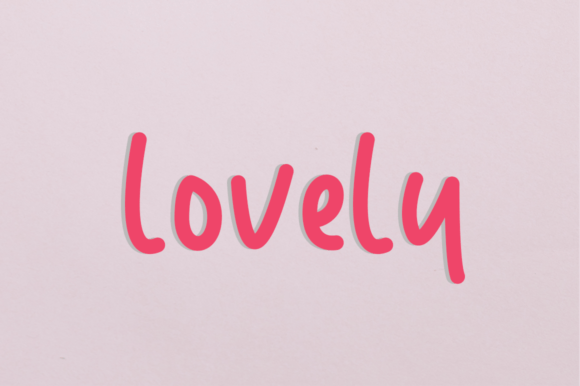
There's something undeniably magnetic about typography that feels human. In a world saturated with crisp, digital perfection, a touch of organic imperfection can make a design feel approachable, genuine, and memorable. This is the precise space where the Lovely font family lives. It’s a classic and simple handwritten font, crafted with a free-flowing, imaginative spirit that injects personality into any creative endeavor. But what does that actually mean for your work? Whether you're building a brand from scratch, refreshing your social media presence, or designing packaging that needs to connect emotionally, understanding how to harness a font like this is about much more than just aesthetics—it's about strategic communication.
More Than Just Pretty Letters: The Psychology of a Handwritten Style
Before diving into applications, it’s worth considering why a font like Lovely resonates so deeply. Handwritten typefaces tap into a fundamental human response. They suggest authenticity, care, and a personal touch. When a customer sees a handwritten style on a coffee bag, a wedding invitation, or a boutique's logo, it often subconsciously communicates that a real person put thought and effort into the product. This isn't just theory; it's a powerful tool for building trust and emotional connection in marketing and branding.
Visually, Lovely strikes a balance. It’s not a chaotic, barely legible scrawl. Its "simple imaginative style" means it maintains readability while feeling spontaneous and artistic. The letterforms have a consistent weight and flow, making it versatile enough for headlines and shorter blocks of text. This balance is crucial. A purely decorative script font might be beautiful for a single-word logo but fails miserably in a paragraph. A practical handwritten font, however, understands its role: to add warmth without sacrificing function.
Where This Creative Font Truly Shines: Practical Applications
Thinking about a font as a design asset means looking beyond the character set. It’s about envisioning its role in your project's ecosystem. Here’s how a versatile handwritten typeface can be deployed effectively across different mediums.
- Brand Identity & Logo Design: This is often the most impactful use. For a bakery, a yoga studio, a freelance consultant, or a handmade goods shop, a logo set in a friendly handwritten font immediately sets a welcoming tone. It becomes the cornerstone of your visual identity, suggesting that your brand is personable and approachable.
- Packaging & Product Labels: On shelf or screen, packaging needs to tell a quick story. Using this font for product names or descriptive phrases (like "Small Batch" or "Handcrafted") adds a layer of perceived quality and artisanal care. It works beautifully on labels for candles, jams, cosmetics, and gourmet foods.
- Social Media Graphics & Content: In the fast-scroll of Instagram or Pinterest, grabbing attention is key. A handwritten headline or quote graphic feels more personal and less corporate than a standard sans-serif. It’s perfect for creating consistent, engaging templates for stories, posts, and reels that feel authentically "you."
- Website & Blog Headers: While body text needs maximum readability, using a handwritten font for section headers, pull quotes, or your blog's title can add a distinctive flair. It breaks the monotony of digital text and guides the reader's eye in a more dynamic way.
- Print Materials & Invitations: For event invitations, thank you cards, or promotional flyers, the handwritten style conveys a sense of occasion and personal invitation. It’s ideal for businesses that host workshops, open houses, or community events.
- Merchandise & Apparel: Think t-shirts, tote bags, or mugs. A catchy phrase or brand name rendered in a charming script font can turn a simple item into a desirable piece of merchandise. The font's style needs to align with the audience's taste—here, its classic simplicity is a major advantage.
Making It Work: Strategy Over Decoration
Simply having a nice font isn't enough. The real skill lies in its application. Here’s some actionable advice for integrating a typeface like Lovely into your projects with intention.
Font Pairing is Everything. A handwritten font rarely works well alone for all text. The magic happens in the pairing. For professional balance, pair it with a clean, neutral sans serif font for body copy. For a more classic or elegant feel, a simple serif font can provide a beautiful contrast. The key is hierarchy: use the handwritten style for emphasis and headlines, and let its paired partner handle the heavy lifting of longer paragraphs. Always test your pairings by looking at them together in context.
Readability is Non-Negotiable. This cannot be overstated. Before you fall in love with a font's style, test it at the size you'll actually use it. Can you read "Happy Birthday" at 12 points on a card? Is the brand name clear on a mobile screen? If not, it might be best reserved for very large display uses only. A good creative font offers multiple weights or styles (like regular, bold, or italic) that can help with legibility in different contexts.
Understand the Licensing. If you're using this for a commercial project—a client's logo, your own business merchandise, or a product you sell—you must ensure you have the proper commercial font license. Many "free" fonts are only free for personal use. Using a font without the correct license can lead to legal issues down the line. Always review the license details provided with any premium font or design asset you download.
Match the Font to the Project's Goal. Ask yourself: What emotion should this evoke? Who is the audience? A handwritten font like Lovely is perfect for projects aiming for warmth, creativity, and approachability. It might be less suitable for a corporate law firm's annual report but could be perfect for a creative agency's portfolio. Aligning your typographic choice with your project's core message is a fundamental principle of effective modern typography.
Final Thoughts on Choosing Your Typographic Voice
In the end, selecting a font is like choosing the right tone of voice for a conversation. You wouldn't speak to a boardroom the same way you speak to a close friend. The Lovely typeface offers a specific, valuable voice: one that is friendly, genuine, and artistically inclined. Its strength lies in its ability to make digital and print designs feel more human and less sterile.
As you evaluate fonts for your next project—be it a new brand identity, a set of social media graphics, or packaging design—consider what story you need to tell. Look for a font that doesn't just look good in a specimen sheet, but that enhances your message and connects with your audience on a visual and emotional level. Sometimes, the most effective design choice is the one that feels a little less perfect and a lot more personal. That’s the enduring appeal of a well-crafted handwritten style.