Street Paint Font: Capturing the Raw Energy of the Urban Canvas
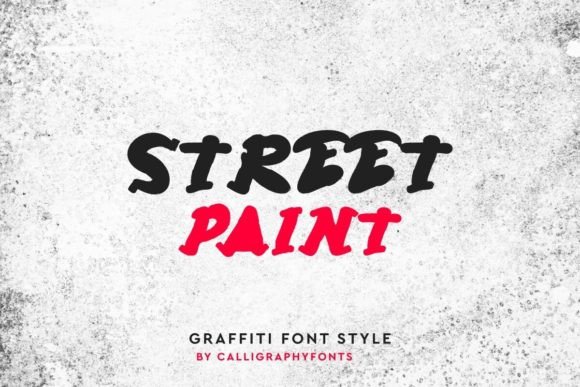
There’s a specific kind of energy that hits you when you walk down an alleyway or under a bridge and see a massive, dripping piece of graffiti. It’s bold, it’s unapologetic, and it demands your attention. If you’ve ever tried to replicate that raw, street-level vibe in your digital designs, you know that most standard typefaces just don’t cut it. They lack the grit, the weight, and the personality. That is exactly the void that Street Paint fills. Created by CalligraphyFonts, this isn't just another typeface; it is a digital translation of the spray can, designed to bring that heavy, slightly spooky, and undeniably cool aesthetic to your screen.
For designers, entrepreneurs, and creatives, finding a font that bridges the gap between "messy street art" and "professional legibility" is a rare find. Street Paint manages to strike that balance perfectly. It captures the thick, textured look of wet paint on concrete but maintains the structure required for effective branding and marketing. Whether you are a clothing brand owner looking to stamp your identity on a hoodie, or a game designer creating a gritty title screen, this typeface offers a versatility that few display fonts can match.
The Anatomy of the Street: Visual Characteristics
What makes a font feel like "street art"? It’s all in the details. Street Paint is a heavy-weight display font, meaning it is designed to be used at larger sizes where its intricate details can shine. The characters are thick and robust, mimicking the opacity of a fresh coat of spray paint or a heavy marker stroke. However, unlike many blocky graffiti fonts that can feel static, Street Paint has a dynamic flow. The edges aren't perfectly smooth; they carry a subtle texture and irregularity that gives the typeface a human touch.
The "spooky" aspect mentioned in its design DNA isn't about horror, but rather about an edgy, atmospheric mood. There is a slight sharpness to certain terminals and curves that gives it a rebellious attitude. This makes it particularly effective for projects that need to convey an underground, alternative, or high-energy vibe. It’s the kind of typeface that looks like it has a story to tell, making it an instant focal point for any visual composition.
Real-World Applications: From Logos to Merchandise
The true test of a premium font is how well it adapts to different mediums. Street Paint excels as a versatile design asset, fitting seamlessly into a wide variety of creative contexts. Its heavy look ensures that it anchors a design, providing a solid foundation for visual hierarchy.
Here are some practical ways to leverage this typeface in your projects:
- Brand Identity & Logo Design: If your brand targets a younger demographic or operates in the lifestyle, sport, or music sectors, Street Paint offers an instant identity. It works brilliantly for café logos, skate shop branding, or rock band merchandise. It tells your audience immediately that you are bold and unconventional.
- Apparel and Merchandise: This is where the font truly shines. Because it mimics the look of screen printing and spray paint, it translates incredibly well onto fabric. Use it for the front of t-shirts, hoodies, and caps. The thick strokes ensure the design holds up well even after washing.
- Poster and Editorial Design: For film posters, music festival flyers, or magazine covers, Street Paint acts as a visual magnet. It grabs the reader's eye instantly. Pair it with a gritty, high-contrast background image to create a cohesive editorial layout that feels immersive.
- Digital and Social Media: In the fast-scrolling world of Instagram and TikTok, you have milliseconds to capture attention. Use Street Paint for your thumbnails, story highlights, or sale announcements. Its heavy weight cuts through the noise of busy feeds.
- Packaging and Labels: For products like craft beers, hot sauces, or energy drinks, packaging needs to communicate intensity. Street Paint gives labels a hand-crafted, artisanal feel that suggests the product inside is bold and flavorful.
Practical Design Strategy: Pairing and Readability
While Street Paint is a showstopper, using a heavy display font effectively requires a bit of strategy. You wouldn't write an entire paragraph in all-caps spray paint style; it would be exhausting to read. Instead, you want to use it to create impact and contrast.
The best approach is font pairing. Because Street Paint has such a strong, textured personality, it pairs best with something clean and neutral. Consider using a simple sans-serif font for your body text—something like a modern geometric sans-serif or a clean neo-grotesque. This contrast allows the headers to pop without overwhelming the viewer.
For example, imagine a poster for a street race event. You could use Street Paint for the event title "MIDNIGHT RUN," set in a massive size. Then, use a clean, legible sans-serif for the date, time, and location details. This hierarchy guides the viewer's eye: first to the emotion (the title), then to the information (the details).
Legibility is another key consideration. While the font is carefully crafted, the stylistic elements mean you should ensure adequate spacing (kerning and tracking) between letters, especially at smaller sizes. However, because it is PUA encoded, you have access to a full range of glyphs and ligatures. This allows you to customize the flow of the text, connecting letters in ways that enhance the graffiti aesthetic while maintaining readability.
Unlocking Versatility with OpenType Features
One of the standout technical features of Street Paint is its PUA (Private Use Areas) encoding. For those who aren't deep into typography jargon, this essentially means the font is "smart." It comes loaded with alternate characters and ligatures that you can access easily, even in basic design software that doesn't support advanced OpenType features natively.
Why does this matter? It prevents your design from looking generic. If two designers use the same font, their work might look identical. However, by utilizing the included ligatures and alternates, you can swap out specific letters to change the "tag" style of the text. You can make your logo look truly custom—as if you hired a street artist to hand-paint it for you. This level of customization is vital for creating a unique brand identity that stands out from competitors using standard fonts.
Matching Typography to Your Project Goals
When selecting a typeface, it is crucial to ask: "Does this font match the emotion of my message?" Street Paint is not the right choice for a law firm or a pediatric dentist, but for the right project, it is invaluable.
It speaks to the craft, film, game, and sport industries. It resonates with audiences who value authenticity, rebellion, and creativity. If you are launching a new line of streetwear, this font aligns perfectly with the cultural aesthetics of your customers. If you are designing a title sequence for an indie film about urban life, this typeface provides the atmospheric foundation you need.
Furthermore, consider the commercial licensing. Since this is a premium font designed for professional use, it provides the legal security you need for commercial projects. You can confidently use it on products for sale, client work, and wide-scale marketing campaigns without worrying about copyright infringement issues that often plague free font sites.
Ultimately, Street Paint is more than just letters on a screen. It is a tool for visual storytelling. It allows you to inject a sense of raw, unfiltered creativity into your work. Whether you are designing a logo for a local skate park, creating assets for a video game, or branding a new energy drink, this font ensures your message isn't just seen—it’s felt. It brings the wall to the screen, and in doing so, it gives your brand a voice that is loud, clear, and undeniably cool.