Gazelle: The Handwritten Font That Feels Like a Conversation
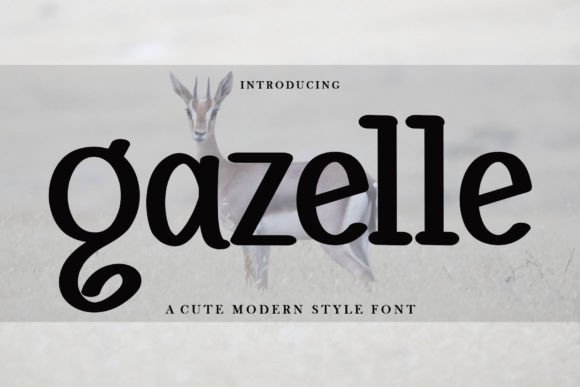
There’s a certain kind of energy in a font that doesn’t feel like it was designed on a grid. It feels human, spontaneous, and a little bit unpredictable. That’s the immediate impression you get from the Gazelle typeface. It’s not a rigid, perfect script; it’s a classic handwritten style with a freestyle, random quality that feels like it was just penned by someone with a confident and artistic hand. This isn’t about mimicking cursive from a 1950s penmanship class—it’s about capturing the authentic, slightly messy, and utterly personal vibe of modern handwriting. For anyone working on a project where personality and warmth are key, this kind of typeface is a game-changer.
Why This Script Works for Modern Branding
In a world saturated with clean, geometric sans-serifs and formal serifs, a well-executed script font cuts through the noise. Gazelle’s strength lies in its balanced imperfection. The letters have a natural flow and varied baseline that avoid looking sterile, yet they remain clear and legible. This combination makes it incredibly versatile. Imagine it on a coffee shop menu—it feels approachable and artisanal. Picture it on a boutique clothing tag—it suggests craftsmanship and individuality. Use it for a musician’s album title, and it immediately communicates raw, authentic artistry. The font’s personality supports a brand identity that wants to feel human-centered, creative, and memorable.
When you’re building a brand, consistency is everything. Choosing a core typeface like Gazelle for your primary headlines, logo, or tagline can anchor your entire visual language. It sets a tone that can be reinforced across every touchpoint. Your website header, social media post graphics, packaging stickers, and even your email signature can all carry this same handwritten thread. This creates a cohesive experience for your audience, making your brand more recognizable and building a stronger emotional connection. It’s a practical application of typography that directly supports brand recognition.
Putting It to Work: From Logos to Social Feeds
Let’s talk practical applications. This is where a font moves from being a nice design asset to a workhorse in your toolkit.
- Logo and Wordmark Design: As a display font, Gazelle is ideal for creating distinctive logos, especially for businesses in the creative, lifestyle, food, or personal service industries. It can form the entire logo or be paired with a simple sans-serif for balance.
- Packaging and Labels: For small-batch products, artisanal goods, or anything that benefits from a personal touch, this script adds instant charm and shelf appeal. Think jam jars, soap labels, or specialty coffee bags.
- Social Media Graphics: Instagram stories, quote graphics, and promotional posts need to grab attention fast. A headline in Gazelle can make a post feel more personal and engaging than a standard corporate font, encouraging followers to stop scrolling.
- Website and Blog Headers: Using it for key headings on a website or blog can inject personality into an otherwise standard layout. It’s particularly effective for creative portfolios, lifestyle blogs, or boutique e-commerce sites.
- Print and Merchandise: From event posters and music flyers to t-shirt designs and tote bags, the freestyle nature of the font lends itself perfectly to projects where a handcrafted aesthetic is desired.
- Invitations and Stationery: For weddings, parties, or corporate events, a font like this offers a formal yet personal alternative to traditional calligraphy.
The key is matching the font’s voice to your project’s goal. Gazelle isn’t the right choice for a corporate law firm’s annual report, but it’s perfect for a yoga studio’s new class schedule or a podcast’s episode artwork. Its strength is in conveying approachability, creativity, and a down-to-earth vibe.
Smart Pairings and Readability Checks
No font is an island, and how you pair it is critical. The freestyle, expressive nature of a script font like Gazelle means it works best when balanced with something more structured. A classic pairing strategy is to use it for headlines and pair it with a clean, neutral sans-serif font for body text. This ensures your main message has personality while the supporting content remains easy to read.
For example, imagine a poster with “Summer Music Festival” in a large, flowing Gazelle script, followed by the date, time, and location in a straightforward sans-serif like Montserrat or Open Sans. The hierarchy is clear, and the design feels dynamic yet organized.
Always test for readability in context. A font that looks beautiful at 72 points on your screen might lose its charm at 14 points in a paragraph. Use Gazelle for short, impactful text—headlines, pull quotes, logos, and call-to-action buttons. Avoid setting long paragraphs of body copy with it, as the continuous flow can become tiring to read. Check how it renders on different devices and in print. Does the character spacing hold up? Are the letter connections clear? These practical checks are what separate a good design from a great one.
Making the Decision: Licensing and Final Thoughts
If you’re considering a premium font like this for commercial work, licensing is a non-negotiable part of the process. Always review the font license that comes with your purchase. Most licenses for creative fonts cover use in logos, branding, and digital media, but there can be nuances regarding large-scale commercial merchandise, app embedding, or server installation. A clear, straightforward commercial license is a hallmark of a professional font foundry and protects both you and your client.
Ultimately, choosing a typeface is a creative decision with strategic implications. Gazelle offers a specific solution: a way to inject authentic, handwritten energy into a design. It’s not trying to be everything. It’s a tool for projects that need to feel personal, artistic, and alive. When you align its unique personality with the right project and pair it thoughtfully, it becomes more than just a set of letters—it becomes a vital part of your visual story.