Dear Santa: A Handwritten Font That Captures Festive Charm
There’s a particular kind of magic in a letter to Santa Claus—the excitement, the hope, the slightly messy handwriting of a child pressing a crayon to paper. Capturing that nostalgic, personal feeling in a design project is no small feat, but that’s exactly what the Dear Santa font aims to do. This isn’t just another script typeface; it’s a creative tool designed to inject warmth, authenticity, and a touch of whimsy into your work. Whether you’re crafting a holiday campaign, designing a cozy brand identity, or simply adding personality to a social media post, this handwritten font offers a distinct voice that feels both familiar and fresh.
More Than Just Holiday Cheer
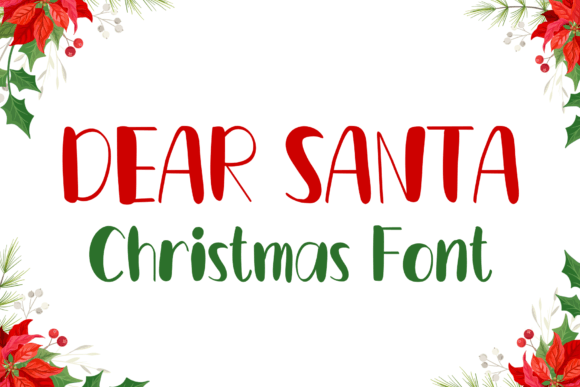
At first glance, the name might suggest a font reserved for December projects. While Dear Santa absolutely shines in seasonal designs, its true strength lies in its versatility. The font’s style is characterized by fluid, slightly irregular letterforms that mimic the natural flow of pen on paper. It avoids the overly polished, perfect curves of many script fonts, giving it a relatable, human quality. This makes it an excellent choice for projects that need to feel approachable, creative, and genuine. Think of a boutique bakery’s packaging, a handmade jewelry brand’s logo, or the header of a personal blog about crafting—situations where a personal touch can make all the difference.
The visual appeal comes from its balanced composition. It has enough personality to stand out as a display font, yet it maintains a surprising level of readability for shorter text blocks. The letter spacing is generally generous, preventing the cramped look that can plague some handwritten typefaces. This thoughtful design means you can use it for more than just a title; it can work beautifully for pull quotes, subheadings, or even a short, impactful call-to-action button on a website.
Practical Applications for Designers and Creators
Let’s move beyond theory and look at where this creative font can solve real problems. Its character makes it a natural fit for specific design scenarios where emotion and connection are key.
- Branding & Logo Design: For small businesses, especially those in the lifestyle, food, or artisanal space, a handwritten font like Dear Santa can become the cornerstone of a brand identity. It signals craftsmanship and care. Imagine it on a coffee shop’s menu, a florist’s business card, or the logo for a children’s clothing line. It builds immediate recognition through its distinctive, friendly style.
- Packaging & Merchandise: On a product label, this font can tell a story before the customer even reads the words. It’s perfect for “From the kitchen of…” tags, artisan soap labels, or custom gift tags. For merchandise like tote bags, mugs, or t-shirts, it provides a stylish, hand-lettered look without the cost of actual calligraphy.
- Digital & Social Media: In the fast-scrolling world of social media, grabbing attention is crucial. Use Dear Santa for Instagram story headings, YouTube thumbnail text, or Pinterest graphic overlays. Its organic feel stands out against the digital noise, making posts feel more personal and engaging. It’s also a fantastic choice for digital products like printable planners, inspirational quote posters, or e-book covers.
- Print & Editorial: Don’t overlook its power in print. It can add a delightful contrast in editorial design—imagine it as a headline in a magazine feature about cozy interiors or a whimsical chapter title in a cookbook. For event materials, it’s ideal for wedding invitations, baby shower announcements, or birthday party posters, setting a joyful and informal tone from the start.
Integrating Dear Santa Into Your Workflow
Adopting a new font is more than just a download; it’s about understanding how it fits into your design ecosystem. Here’s some practical advice for making the most of this typeface.
Consider the Context: Always match the font’s personality to your project’s goal. Dear Santa excels in contexts that value warmth, creativity, and a personal touch. It might not be the right choice for a corporate financial report or a formal legal document. For those projects, pairing it with a clean sans serif font for body text would create a necessary hierarchy and maintain professionalism.
Master the Art of Font Pairing: The best designs often use a combination of fonts. Dear Santa, as a script font, pairs beautifully with simple, neutral typefaces. Try it with a geometric sans serif like Montserrat for modern contrast, or with a classic serif like Garamond for a more traditional, elegant feel. The key is to let the handwritten font be the star of the show—use it for headlines or key phrases—and let its partner handle the bulk of the text.
Test for Readability: While Dear Santa is designed for clarity, always test it in your specific application. A font that looks great at 72pt on your screen might be challenging to read at 12pt in a printed brochure. Check the legibility of individual letters, especially in all-caps settings, and ensure there’s enough contrast against your background color.
Explore the Font Styles: Many premium fonts come with multiple styles—alternates, ligatures, or different weights. Investigate what’s included with your Dear Santa license. Accessing stylistic alternates for certain letters (like a fancier ‘g’ or ‘t’) can add variety and prevent repetition, making your text look even more authentically hand-lettered.
Understand the License: This is a critical, often overlooked step. If you’re using the font for commercial projects—like client work, products for sale, or paid advertising—you must ensure you have the correct commercial license. Review the terms provided by the font foundry or marketplace to avoid legal issues down the line. It’s a small step that protects both you and the font creator.
A Tool for Connection
Ultimately, typography is a form of communication. The right typeface doesn’t just display words; it conveys emotion, sets a mood, and builds a bridge between your message and your audience. Dear Santa is more than just a design asset; it’s a tool for connection. It recalls the excitement of writing a wish list, the intimacy of a handwritten note, and the creativity of putting pen to paper. By incorporating it thoughtfully into your projects, you’re not just choosing a font—you’re choosing to tell a story with more heart, one character at a time. So go ahead, add it to your toolkit, and see how a little festive charm can transform your creative work.