Deadly Poison II: The Typeface That Sinks Its Teeth In
There’s a moment in every horror film, every gothic novel cover, and every gritty video game title screen where the atmosphere hinges on a single visual detail. It’s not always the monster or the gore that sets the tone—it’s the typography. The letters themselves seem to bleed, crack, or decay, whispering of danger before a single word is read. If you’re a designer, filmmaker, or brand storyteller working in the realms of the dark, the macabre, or the thrillingly edgy, you know the struggle of finding a typeface that doesn’t just spell out words but embodies a visceral feeling. This is where a specific tool enters the arsenal, one that doesn’t just suggest horror but injects it directly into your design’s veins.
More Than a Font: A Vessel for Atmosphere
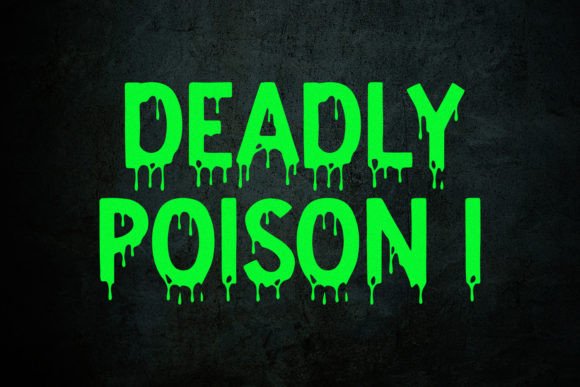
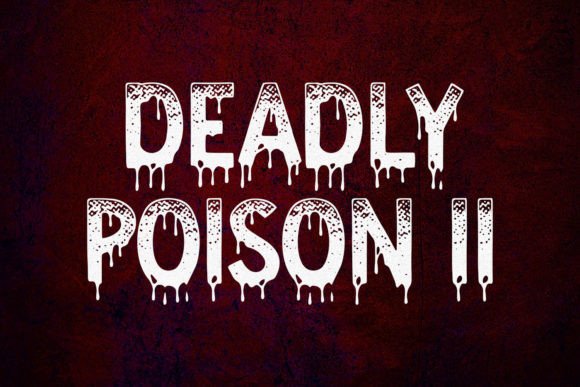
At its core, Deadly Poison II is a premium display typeface, but that clinical description does it a disservice. It’s a carefully crafted visual asset designed to evoke a very specific emotional response. Its letterforms are characterized by sharp, jagged edges, irregular baselines, and textures that mimic corrosion, dried blood, or splintered wood. The serifs are aggressive, the negative space feels claustrophobic, and every character carries the weight of a narrative. This isn't a font for body text; it's a headline act, a logo anchor, a branding statement for projects that demand attention through unease and intrigue. For creative professionals, understanding this distinction is key. Using it for a corporate annual report would be a catastrophe, but deploying it for an indie horror game’s splash screen or a metal band’s album art is a stroke of genius. It immediately communicates genre, tone, and audience expectations without a single explanatory sentence.
Practical Applications: Where the Undead Truly Shine
The true value of a creative font like this lies in its versatile application across the design spectrum. It’s not confined to movie posters. Consider a specialty brewery crafting a limited-edition stout named "Nightshade." Using this typeface on the bottle label and six-pack carrier instantly tells a story of dark, complex flavors and a hint of danger, appealing directly to a target market of adventurous craft beer enthusiasts. For a graphic novelist, it becomes the perfect title treatment on a cover, setting the stage for the story within. In the digital space, a content creator running a true-crime podcast or a YouTube channel exploring urban legends can use it for their channel banner, episode thumbnails, and social media graphics. This creates immediate brand recognition; followers scrolling through a feed will recognize the distinctive, menacing letterforms before even reading the channel name. It transforms marketing assets from generic announcements into compelling invitations into a specific world.
For entrepreneurs and small business owners in niche markets, typography is a powerful branding tool. A tattoo parlor specializing in dark, illustrative work could integrate this style into its logo and signage, signaling its artistic specialty. An online store selling gothic apparel, horror-themed home décor, or Halloween accessories would find this typeface invaluable for product tags, website headers, and promotional emails. It ensures visual consistency across every customer touchpoint, from the website to the packaging tape, reinforcing the brand identity with every interaction. The font does the heavy lifting of setting the mood, allowing other design elements to support rather than carry the entire atmospheric burden.
Strategic Pairings and Readability Considerations
Powerful design is about balance. A typeface with as much personality as Deadly Poison II demands a thoughtful partner. Pairing it with a clean, neutral sans-serif font for body copy is a classic and effective strategy. This contrast ensures readability for longer text while allowing the display font to dominate headlines and logos. Imagine a movie poster: the title in the jagged, horror-inspired typeface, with the credits and release date in a straightforward, highly legible font like Helvetica or Open Sans. The hierarchy is clear, and the mood is unmistakable. For web design, this pairing is crucial. The display font can be used for H1 and H2 tags, establishing the page's thematic core, while the body text remains accessible and easy to read on screens.
Before finalizing any project, rigorous testing is non-negotiable. How does the font look at very small sizes on a mobile screen? Does its texture become muddy, or do the distinct features remain clear? Print a test copy of your poster or packaging. The ink bleed on certain papers might alter its appearance. Furthermore, investigate the font package thoroughly. A well-crafted premium font often includes multiple styles—perhaps a regular, an italic, a condensed version, or alternate character sets. These additional styles provide flexibility, allowing you to create visual variety within a single branding system. For instance, using a slightly different weight for subheadings can add depth to an editorial layout without introducing a conflicting typeface.
Making the Commercial Decision
For any project intended for commercial use—whether it’s a client’s logo, merchandise for sale, or a monetized YouTube channel—licensing is a critical, practical consideration. Always verify that the font license permits your intended use. Reputable font foundries and marketplaces provide clear licensing terms. A "desktop license" typically covers installation on your computer for creating static images like PDFs and graphics. If you plan to embed the font on a website using @font-face, a "webfont license" is usually required. For applications like video games or mobile apps, an "app license" may be necessary. Treating the font as a professional design asset means respecting its licensing just as you would the copyright of a photograph or illustration. This due diligence protects you, your client, and the type designer whose work enables your creative vision.
Ultimately, selecting a typeface is a decision rooted in strategy. It’s about asking what story you need to tell and what audience you need to reach. For projects that live in the shadows, that thrill with suspense, and that celebrate the beautifully macabre, the tools you choose must be up to the task. They must carry the right DNA. The right typeface doesn’t just display your words; it gives them a pulse, a growl, and a lingering presence that stays with the viewer long after they’ve looked away. It’s the silent ambassador of your brand’s darkest, most compelling chapters.