Attack Graffiti: Capturing the Raw Spirit of Street Art in Typography
There’s an unmistakable energy to a freshly sprayed piece of street art—the drip of wet paint, the textured overspray, the bold, unapologetic lines that command your attention from across a city block. For designers, capturing that authentic, high-octane aesthetic in a digital project has often meant settling for fonts that feel either too polished or poorly executed. This is where a typeface like Attack Graffiti steps in, offering more than just letters; it delivers a specific, visceral attitude. It’s a display font that doesn’t just sit on a page—it feels like it was violently, yet artfully, tagged onto it.
Understanding the Typeface: More Than Just Letters
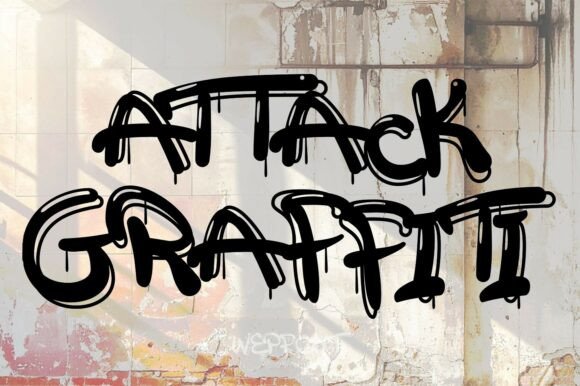
At its core, Attack Graffiti is a premium font designed for impact. What sets it apart from standard graffiti-style fonts is its commitment to authenticity. The character set features the distressed edges, uneven strokes, and subtle drip effects that mimic real spray paint on a textured surface. This isn’t a clean, vectorized interpretation of street art; it’s a raw, hand-sprayed typeface that carries the gritty, rebellious spirit of urban culture. It’s the kind of font that feels at home on a punk flyer, a hip-hop album cover, or the branding for an extreme sports event. The included uppercase letters, numerals, and punctuation are all crafted with this same high-energy, fragmented aesthetic, ensuring consistency across every word you set.
When to Deploy This High-Impact Design Asset
The true value of a creative font like Attack Graffiti lies in its application. It’s not the typeface for body copy or a legal disclaimer. Instead, it’s a strategic tool for making a statement. Think of it as the visual equivalent of a shout—it’s meant to grab attention instantly.
- Brand Identity & Logo Design: For brands targeting a youth demographic or those rooted in counter-culture—think skate shops, streetwear labels, indie record stores, or urban exploration groups—this font can become the cornerstone of a powerful logo. Its aggressive form immediately communicates a brand’s ethos of rebellion and authenticity.
- Packaging & Merchandise: Imagine this font on a limited-edition sneaker box, a craft beer can with an urban art theme, or the label for a bold hot sauce. The textured, tactile feel of the lettering translates exceptionally well to physical products, creating a memorable unboxing experience.
- Marketing & Social Media Graphics: In a crowded social feed, you have milliseconds to stop the scroll. Attack Graffiti is perfect for bold headlines on Instagram carousels, YouTube thumbnails, or event posters. Its raw energy can boost engagement for content related to music festivals, street art tours, or action sports videos.
- Editorial & Digital Design: Use it for section headers in a magazine layout about underground music, or as a title treatment for a blog focused on urban photography. It can also be a striking choice for video game titles or menu headers for a restaurant with a street food concept.
Practical Advice for Using a Display Font Effectively
Integrating a powerful display font like this into your projects requires a thoughtful approach. It’s a tool, and like any tool, its effectiveness depends on how you use it.
Pairing is Everything: Never set an entire paragraph in a distressed, textured font. The readability plummets. The smartest strategy is to pair Attack Graffiti with a clean, highly legible sans serif or even a simple serif font for supporting text. For example, use Attack Graffiti for a main headline, and pair it with a font like Helvetica, Roboto, or even a classic Garamond for subheadings or body copy. This creates a dynamic visual hierarchy where the display font makes the statement, and the secondary font provides clarity.
Context is Key: Always ask yourself: does this font match the project’s goal? Using it for a law firm’s website would be a mismatch. Using it for a brand promoting sustainable, minimalist furniture might also feel off. But for a music festival lineup poster, a skate video, or a brand selling graphic tees with a rebellious message? It’s a perfect fit. The font should amplify your message, not contradict it.
Test for Readability: Before finalizing, test your design at the size it will be viewed. A font that looks incredible at 72pt on your screen might become an unreadable blob at 12pt on a mobile device. Use it where it can shine—large headlines, logos, and standalone callouts.
Review the Full Character Set: A good premium font will include more than just A-Z. Check for ligatures, alternate characters, and punctuation. This ensures you have the flexibility to create varied and professional-looking typography without running into missing glyph issues.
Choosing the Right Font for Your Project’s Voice
Selecting typography is a fundamental part of defining your project’s voice. A font like Attack Graffiti isn’t just a stylistic choice; it’s a thematic one. It instantly communicates themes of urban landscapes, youth rebellion, high energy, and artistic expression. If your project’s narrative aligns with these ideas, it can become a powerful part of your visual storytelling.
Before you commit, consider the commercial licensing. Ensure the license covers your intended use, whether it’s for a client’s logo, merchandise for sale, or digital ads. Understanding these terms upfront protects your project and ensures you’re using the asset legally.
Ultimately, the goal of any design asset is to enhance communication and connection. When used with intention and skill, a typeface with as much character as Attack Graffiti can do more than just spell out words—it can evoke a feeling, tell a story, and create a lasting impression that resonates with your specific audience. It’s a bold choice, but for the right project, it’s an undeniably effective one.