80s Vibe: Capturing Retro Energy in Modern Design
There’s a particular kind of energy from the 1980s that’s hard to pin down but impossible to ignore. It’s in the bold neon signs of a downtown arcade, the geometric patterns on a disposable cup, and the confident, blocky lettering on a movie poster. That unmistakable spirit of fun, flair, and fearless expression is precisely what the 80s Vibe typeface brings to the table. This isn't just another retro font; it's a carefully crafted design asset that channels the decade's visual exuberance, making it a powerful tool for anyone looking to inject personality and nostalgia into their work.
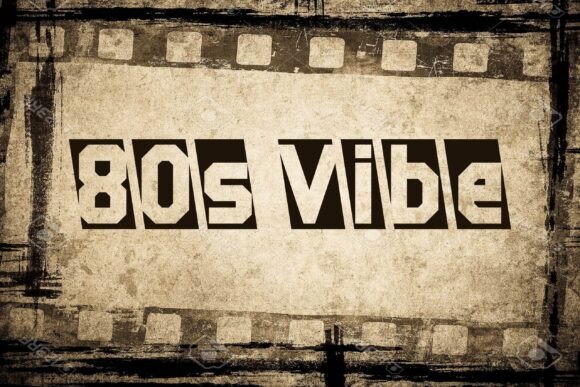
At its core, 80s Vibe is a display font with a bold, decorative character. Its forms are built with a sense of movement and style, featuring shapes that echo the era's fascination with speed, technology, and pop culture. The 96 unique glyphs and 95 characters offer enough versatility for headlines, logos, and short bursts of text, ensuring your message lands with visual impact. Think of it as a design shortcut to a specific, beloved aesthetic—one that resonates deeply with audiences who lived through the decade and younger generations who celebrate its iconic style.
A Typeface for Branding and Beyond
Choosing the right typeface is a foundational decision in building a brand identity. A font like 80s Vibe does more than spell out a name; it communicates a feeling, a time period, and a set of values. For a brand aiming to project confidence, creativity, and a touch of playful nostalgia, this font becomes a core component of its visual language.
Consider its application in logo design. A logo set in 80s Vibe immediately tells a story. It could be perfect for a retro gaming cafe, a vintage clothing store, a podcast about 80s movies, or a modern brand that wants to align itself with the era's iconic cool. The key is alignment. The font's personality must match the brand's voice. It’s a fantastic choice for projects that are meant to be vibrant, engaging, and a little bit loud—just like the decade itself.
Beyond the logo, this creative font finds its stride across numerous applications:
- Merchandise and Packaging: Imagine this font on a T-shirt, a tote bag, or the packaging for a retro-inspired snack. It has the immediate recognition and visual punch that turns products into keepsakes.
- Social Media Graphics: In a fast-scrolling feed, 80s Vibe acts as a stop sign. Use it for Instagram story titles, YouTube thumbnails, or TikTok graphics to instantly grab attention and set a specific, energetic mood.
- Event and Marketing Materials: From posters for a themed party to flyers for a music festival, the font brings an authentic vintage vibe that standard fonts can't replicate. It’s equally effective in digital ads and email headers.
- Editorial and Digital Projects: While not for body text, it shines in magazine cover titles, blog post headers, and as a stylistic element in digital products like planners or wallpapers.
Making It Work: Practical Font Pairing and Use
The real magic of a premium font like this emerges when you use it thoughtfully. Its strength is in display roles—headlines, titles, and logos. Using it for long paragraphs would sacrifice readability, which is a critical consideration in any design project.
The solution lies in smart font pairing. To create a balanced and professional layout, pair 80s Vibe with a clean, neutral companion. A simple sans serif font for body text or a classic serif font for more formal contexts can provide the necessary contrast. This allows the display font to do its job—capture the eye and convey the theme—while the supporting font ensures the overall message remains clear and easy to read. For example, a poster title in 80s Vibe paired with a straightforward sans serif for event details creates a hierarchy that is both stylish and functional.
Before finalizing any design, always test your typography in context. View it at the size it will be used. Check the kerning and spacing. Does it look as good on a mobile screen as it does on a desktop mockup? This testing phase is where you ensure the font enhances your project rather than complicating it.
From Nostalgic Charm to Modern Strategy
While the 80s Vibe font is drenched in nostalgia, its value is thoroughly modern. In a crowded marketplace, visual distinctiveness is a currency. A well-chosen, characterful font can significantly boost brand recognition. When your audience consistently sees your brand associated with that bold, retro style, it becomes a memorable part of your identity.
Furthermore, this type of design asset directly contributes to audience engagement. It triggers an emotional response—whether it's fond memory, appreciation for retro aesthetics, or simply the appeal of something visually different. This emotional connection can make your marketing materials, social posts, and products more shareable and relatable.
For designers and creative entrepreneurs, having a font like 80s Vibe in your toolkit is about having the right tool for a specific job. It’s not a workhorse for every project, but for the right brief, it’s invaluable. It solves the problem of how to quickly and effectively evoke a specific era and mood, saving time and elevating the final result. Just be sure to review the licensing for your intended use—whether for a personal blog or a commercial product line—to ensure it fits your project's scope.
In the end, typography is about communication, and the 80s Vibe typeface communicates with unmistakable clarity. It says your project is bold, stylish, and infused with a vibrant, fun-loving spirit. It’s a bridge between decades, offering a slice of 80s flair for today’s creative landscape. Whether you’re designing a logo, crafting a social media campaign, or creating a line of merchandise, it provides that crucial spark of personality that transforms a good design into a great one. It’s not just a font; it’s a mood, a memory, and a powerful statement all wrapped into one dynamic package.