Bbeer: A Handwritten Font for History, Legends, and Games
There’s a particular feeling you get when you hold a weathered map, read a tale of legendary heroes, or uncover a secret in an old video game. It’s a sense of discovery, of stepping into a story that feels both grand and personally crafted. Capturing that essence in modern design is a challenge many creators face, especially when working with digital tools that often feel sterile and precise. A font like Bbeer offers a compelling solution, providing the organic, human touch that can bridge the gap between a digital project and that timeless, narrative-driven feeling.
Understanding the Character of a Handwritten Typeface
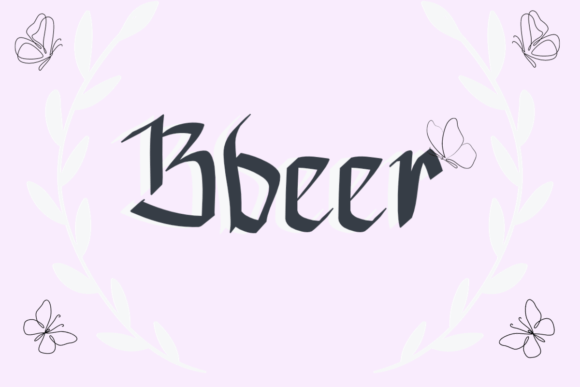
At its core, Bbeer is a handwritten font, but that simple label doesn’t do it justice. It’s not a casual, hurried script you might jot down a grocery list with. Instead, it carries a deliberate, slightly rugged character that suggests ink on parchment or a story carefully inscribed. This makes it a premium font choice for specific contexts. Its visual personality leans into themes of history, legend, and game, making it inherently versatile for projects that need to evoke adventure, tradition, or a touch of the fantastical.
The appeal lies in its imperfections. The slight variations in stroke weight, the subtle unevenness of the baseline—these are the details that give it life. When you use Bbeer, you’re not just selecting a typeface; you’re adopting a voice. It communicates authenticity and craftsmanship, which can be a powerful differentiator in a crowded marketplace. For a brand identity, this could mean the difference between being seen as generic and being remembered as having a unique story.
Where Bbeer Truly Shines: Practical Applications
Theory is one thing, but putting a font to work is where its value is proven. Bbeer’s strength is in applications where a display font is needed to grab attention and set a tone, rather than for long blocks of body copy. Here’s how it can be integrated into various creative and commercial projects:
- Branding & Logo Design: For businesses centered around artisanal goods, adventure travel, historical tours, tabletop gaming, or craft beverages, a logo set in Bbeer can instantly communicate the brand’s essence. It pairs exceptionally well with a clean sans serif font for company names and details, creating a balanced and professional yet character-rich brand identity.
- Packaging Design: Imagine a craft beer label, a hot sauce bottle, or a tea tin. Bbeer can be used for the product name or a tagline, giving the package a handcrafted, authentic feel that stands out on a shelf. This is where packaging design transcends mere labeling and becomes storytelling.
- Social Media & Digital Content: In the fast-scrolling world of social media, visuals need to pop. Using Bbeer for a bold headline on an Instagram post, a YouTube thumbnail, or a Facebook ad can stop the scroll. It’s perfect for promoting a new game launch, a historical podcast episode, or a legend-themed event. It adds personality to your social media graphics that a standard font simply can't match.
- Print Materials & Merchandise: From invitations for a fantasy-themed wedding or a game night, to posters for a local Renaissance fair, to t-shirt designs and book titles, Bbeer excels in print. Its handwritten nature ensures it looks great even when printed on textured paper or merchandise, maintaining its charm.
- Editorial & Web Design: While not for body text, Bbeer is fantastic for chapter headings in a book, pull quotes in a magazine, or section titles on a website. It can add a layer of visual interest and break up the monotony of standard web design typography, guiding the reader’s eye to key points.
Integrating Bbeer into Your Design Workflow
Adopting a new creative font requires a bit of strategy to ensure it enhances rather than hinders your project. Here are some practical considerations for using Bbeer effectively:
Pairing is Key: Bbeer is a display font, so it rarely works well when paired with another decorative typeface. The golden rule is contrast. Pair it with a highly legible, neutral serif font or a clean sans serif font. For example, use Bbeer for a hero headline and a font like Open Sans or Lora for the supporting text. This creates a clear hierarchy and ensures your message is both seen and read.
Readability Considerations: Because it’s a handwritten font, legibility can decrease at very small sizes or in long sentences. Use it for short, impactful phrases—headlines, titles, and single words. Always test your designs at the intended viewing size. What looks great on a large monitor might become an unreadable scrawl on a mobile screen or a small printed card.
Review the Included Styles: A quality commercial font like Bbeer often comes with more than just the basic uppercase and lowercase letters. Check if it includes alternates, ligatures, or stylistic sets. These features can be used to customize the look, avoiding repetition when the same letter appears multiple times, and making your designs feel even more unique and handcrafted.
Licensing for Commercial Projects: If you plan to use Bbeer for client work, merchandise, or any project where you’ll be paid, it’s crucial to understand the commercial licensing terms. Most premium fonts require a license that permits such use. Ensure you purchase the correct license (desktop, web, etc.) to avoid legal issues down the line. This is a fundamental part of professional design assets management.
A Final Thought on Choosing Your Tools
Ultimately, the fonts you choose are fundamental tools in your visual communication toolkit. They don’t just display words; they convey emotion, history, and intent. A typeface like Bbeer isn’t for every project—it would feel out of place on a corporate financial report, for instance. But for the right project, it can be transformative. It can turn a simple invitation into a quest, a product label into a story, and a social media post into an engaging piece of lore. By understanding its character and applying it thoughtfully, you can leverage this handwritten font to create designs that resonate deeply with your audience, making your work not just seen, but felt.