Squalid Font: The Bold Choice for Impactful Design
When a project demands to be seen, to make an immediate and powerful statement, the typography you choose becomes your primary tool. It’s the difference between a design that whispers and one that shouts with purpose. For creators working in sports branding, event promotion, entertainment, or any field where energy and confidence are key, finding a typeface that embodies that raw, vibrant power is essential. This is where a specific style of display font comes into play, designed not for subtlety, but for undeniable presence.
Understanding the Visual Power of This Typeface
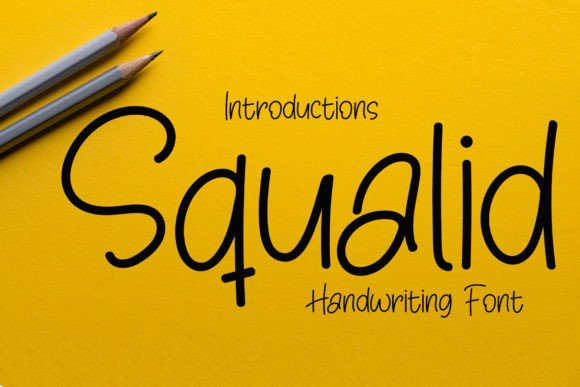
Squalid is a premium display font built on the principles of strength and visibility. Its visual character is defined by its robust, condensed letterforms and a strong, unyielding structure. The thick strokes and tight spacing create a sense of unity and density, making text blocks appear solid and impactful. This isn't a delicate serif font for body copy or a casual handwritten font for personal notes. It's a modern typeface engineered for headlines, titles, and logos where the goal is to grab attention instantly. The inherent "bold feel" comes from its geometric precision and the visual weight each character carries, making it particularly effective for conveying themes of athleticism, competition, and dynamic action.
From Stadiums to Storefronts: Practical Applications
The true test of any design asset is its versatility in real-world projects. A font like this finds its home in scenarios requiring a sport-inspired, energetic, and authoritative tone. Consider its application across various creative and commercial fields:
- Logo and Brand Identity: For a local gym, a sports team, or an outdoor adventure company, this typeface can form the core of a memorable logo. Its strength helps establish immediate brand recognition and communicates a message of durability and performance.
- Editorial and Print Design: Magazine covers for fitness publications, chapter titles in graphic novels, or posters for music festivals benefit from its commanding presence. It cuts through visual noise on a crowded page, guiding the reader's eye to the most important message.
- Digital and Web Presence: On a website, it can be used for hero section headlines to set an impactful tone. For social media graphics, particularly for Instagram stories, YouTube thumbnails, or event announcements, its readability at small sizes ensures your message is clear even on a fast-scrolling feed.
- Packaging and Merchandise: Product labels for energy drinks, protein supplements, or action sports gear can leverage this font to align with the product's identity. Similarly, for merchandise like t-shirts and caps, it provides a clean, bold statement that translates well to screen printing and embroidery.
- Marketing and Digital Products: Email headers, webinar slide titles, or cover graphics for an online course on fitness or leadership can use this typeface to project professionalism and confidence, increasing audience engagement and perceived value.
Enhancing Your Brand's Visual Communication
Integrating a strong display font into your toolkit does more than just make text look bold; it actively improves several facets of your visual communication. Firstly, it promotes visual consistency. Using the same distinctive typeface across your logo, website, and social media creates a cohesive and recognizable brand identity. This repetition builds brand recognition, allowing your audience to instantly associate the font's style with your business or project.
Secondly, when used correctly, it enhances professional presentation. A well-chosen, high-quality font signals that you care about the details of your project, which builds trust with your audience. Finally, its primary function is to boost audience engagement. A compelling headline set in a vibrant, attention-grabbing typeface is far more likely to stop someone mid-scroll or draw them into reading a poster than a standard, neutral font.
Practical Tips for Working with a Bold Display Font
Adopting a new font, especially a powerful one, requires a thoughtful approach to ensure it works effectively within your design system.
- Pair with Purpose: A display font like this should rarely stand alone for all text. The key is effective font pairing. Combine it with a clean, highly readable sans serif font for body copy, subheadlines, or detailed information. This contrast creates a visual hierarchy, where the display font draws attention and the secondary font ensures clarity and readability for longer passages.
- Prioritize Readability: Test the font at the actual size it will be viewed. A condensed, bold typeface can lose legibility if used too small or in long, complex sentences. Reserve it for short, impactful phrases: headlines, logos, buttons, and labels.
- Explore the Included Styles: A quality font family often comes with multiple styles, such as regular, italic, and perhaps alternate characters or ligatures. Review these options. An italic version can add a sense of motion, perfect for sports-related designs, while alternates can provide unique flair for a logo.
- Align with Project Goals: Always ask if the font's personality matches the project's tone. Its sporty, robust nature is perfect for a marathon poster but might be misaligned for a wedding invitation or a luxury spa brochure. Understanding this alignment is a core skill in modern typography.
- Verify Commercial Licensing: Before using any font in a commercial project—from a client's logo to merchandise for sale—ensure you have the correct license. This protects you legally and respects the work of the type designer.
Choosing a typeface is a foundational decision in any design process. For projects that need to communicate strength, energy, and confidence, selecting a font designed for that very purpose is a strategic move. It’s about equipping yourself with the right tools to tell your visual story more effectively and ensure your message isn’t just seen, but felt.