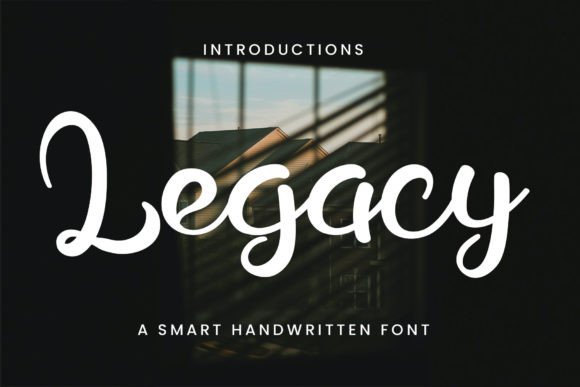
Legacy: The Bold Typeface That Commands Attention
There’s a moment in every design project where the typography either steps up or falls flat. You’ve got the layout, the imagery, the color palette locked in—but something’s missing. That’s when you need a font with presence, something that doesn’t just sit there but actively participates in telling your story. Legacy is that kind of typeface. It’s not subtle, it’s not trying to blend in, and it certainly doesn’t apologize for taking up space. This is a font built for projects that demand to be seen, from sports branding to cinematic posters, and everything in between.
What makes Legacy work so well is its balance between raw power and controlled design. It’s bold without being clumsy, energetic without sacrificing legibility. The letterforms have a sturdy, confident structure that feels grounded yet dynamic—think of a well-fitted jersey or a movie title that makes you want to buy a ticket. There’s an inherent athleticism in its design, but that doesn’t limit it to sports contexts. That same boldness translates beautifully to branding for fitness apps, outdoor gear, action-oriented video games, or even high-energy music festivals.
A Typeface Built for Impactful Storytelling
Legacy isn’t just another display font. It’s designed with intention, and that shows in how it performs across different mediums. Use it for a team logo, and it feels authoritative. Set it as a headline on a website, and it draws the eye immediately without overwhelming the surrounding content. The weight and proportions are carefully tuned so that even at larger sizes, the letterforms maintain clarity and avoid the visual noise that some bold fonts create.
For small business owners, this kind of reliability is gold. You’re not a typography expert, and you shouldn’t have to be. You need a font that works hard for you—on your packaging, your social media templates, your printed materials. Legacy handles that responsibility with ease. Its strong visual identity helps create a consistent look across all your touchpoints, which is crucial for building brand recognition. When your Instagram graphics, your product labels, and your event posters all share the same typographic voice, people start to remember you.
Practical Applications Beyond the Obvious
Sure, Legacy shines in sports design. Team names, league branding, jersey numbers, event promotions—it’s a natural fit. But let’s think beyond that. Imagine using Legacy for the title sequence of an indie documentary about urban athletes. Or for the cover of a graphic novel with a gritty, action-packed storyline. It could anchor the branding for a new energy drink, or give a powerful voice to a motivational speaker’s website. The versatility here is real, because the font’s personality is strong but not so specific that it boxes you in.
Consider packaging design. If you’re launching a product line aimed at active lifestyles—protein bars, hiking gear, performance apparel—Legacy can communicate strength and reliability at a glance. On social media, where you have about two seconds to stop someone from scrolling, a bold headline set in Legacy can make all the difference. It’s not about being loud for the sake of it; it’s about being clear and compelling in a crowded space.
Making Smart Typography Choices for Your Brand
Choosing a font like Legacy is a strategic decision. It’s not just about what looks cool; it’s about what aligns with your project’s goals and audience. If your brand voice is serious, authoritative, and energetic, this typeface will reinforce that. If you’re going for something playful or delicate, you might need to look elsewhere. But for projects that need to convey power, momentum, or competitive spirit, Legacy is a serious contender.
One practical tip: always test font pairings before committing. Legacy is a display font, meaning it’s designed for headlines and large text. It might not be ideal for long paragraphs of body copy. Pair it with a clean, highly readable sans serif or even a simple serif for supporting text. This contrast creates visual hierarchy and ensures your message is both seen and understood. Play around with different combinations in your design software to see what feels right for your specific use case.
Also, pay attention to the included font styles. Many premium fonts come with multiple weights or alternate characters. Check what’s included with Legacy—you might find a condensed version, an outline style, or different numeral sets that give you more creative flexibility. Understanding these options upfront can save you time and expand your design possibilities.
Building a Consistent and Professional Visual Identity
Visual consistency is one of the most underrated aspects of branding. It’s what makes a business look polished and trustworthy. When your typography is all over the place—using five different fonts across your website, social media, and print materials—it can confuse your audience and dilute your message. Choosing a strong, versatile typeface like Legacy as part of your core brand toolkit helps solve that problem. It becomes a recognizable element of your identity, working quietly in the background to build familiarity and trust.
For entrepreneurs and content creators, this consistency extends to how you present yourself across platforms. Your YouTube thumbnails, your podcast artwork, your email headers—they all contribute to a cohesive brand experience. Using the same bold, confident typeface across these different assets creates a unified look that feels intentional and professional, even if you’re working with a small team or limited resources.
Licensing and Usage: What You Need to Know
Before you download and start using any font, especially a premium one, it’s critical to understand the licensing. Most commercial fonts come with specific terms that dictate how you can use them. Can you use it for client work? Is it allowed on merchandise for sale? What about digital products? These are important questions to answer upfront to avoid legal headaches later. Always read the license agreement carefully, and if something isn’t clear, reach out to the font creator or foundry for clarification.
Investing in a quality commercial font like Legacy is often worth it. Free fonts can be great for personal projects, but they sometimes come with limitations or hidden costs. A well-crafted premium font usually offers better design quality, more extensive character sets, and clearer licensing terms. Think of it as investing in a tool that will serve you well across many projects, saving you time and elevating the quality of your work.
Ultimately, the right typography does more than just display words. It communicates feeling, sets expectations, and shapes how your audience perceives your brand. Legacy is a font that understands that responsibility. It’s bold, it’s purposeful, and it’s ready to work for projects that refuse to be ignored. Whether you’re designing for a local sports league, a startup’s launch campaign, or your own creative brand, having a typeface with this kind of presence in your toolkit can make a real difference in how your work connects with people.