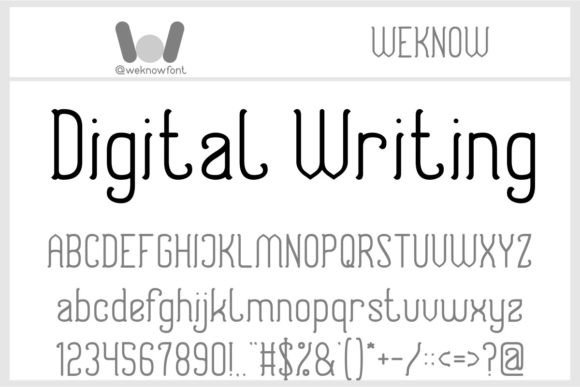
Digital Writing: A Slab Serif Font for Bold, Modern Brands
Finding a font that feels both authoritative and approachable can be a real challenge. You want something that commands attention in a logo but remains legible on a website, something that feels professional for a corporate identity yet has enough personality for a music poster or a YouTube thumbnail. This is where a well-crafted slab serif typeface like Digital Writing enters the conversation. It’s a design asset built for the multifaceted demands of modern visual communication, offering a sturdy foundation for projects across countless industries.
The Personality of a Modern Slab Serif
Slab serif fonts are known for their thick, block-like serifs, giving them a strong, confident presence. Digital Writing takes this classic structure and refines it for contemporary use. Its letterforms are clean and balanced, avoiding the sometimes heavy or rustic feel of traditional slabs. This makes it a versatile premium font that bridges the gap between a stark sans serif font and a more decorative script font. It carries a sense of reliability and clarity, which is invaluable for brand identity work. Whether you're designing a logo for a tech startup, a label for a craft brewery, or a cover for a indie magazine, this typeface provides a solid, readable backbone that doesn’t sacrifice style.
What makes it particularly appealing is its adaptability. The inherent geometry of the slab serif font style lends itself well to both digital and print applications. On a screen, its open counters and defined strokes ensure clarity at various sizes, from website headers to Instagram stories. In print, it holds its own on posters, packaging, and book covers, delivering impact without overwhelming the viewer. This dual-nature functionality is a key reason it’s become a go-to creative font for designers and entrepreneurs alike.
Practical Applications Across Your Projects
Let’s break down where Digital Writing can genuinely elevate your work. Think of it as a tool in your design toolkit that solves specific visual problems.
For Branding & Logo Design: A logo is the cornerstone of your visual identity. Digital Writing’s balanced weight and distinctive serifs create logos that are memorable and professional. It works beautifully for logotypes (text-only logos), giving a brand an instant sense of establishment. Pair it with a simple sans serif font for body text, and you have a complete, cohesive typographic system for your corporate identity.
In Digital Spaces: Your website’s typography directly impacts user experience and brand recognition. Using Digital Writing for headings and subheadings can guide the reader’s eye and improve readability. It’s equally effective for social media graphics. A bold statement on a Facebook ad, a clear title on a Pinterest pin, or a stylish overlay on a YouTube video thumbnail all benefit from its assertive yet clean character. It helps your content stand out in a crowded feed.
For Print & Packaging: The font’s strength shines in physical applications. Consider packaging design for a product: the name on the box, the key features listed on the back—Digital Writing ensures this information is both stylish and easy to read from a shelf. For editorial design, like magazine feature titles or book chapter headings, it adds a layer of sophistication. Event invitations, posters for local bands, or merchandise for a small business also gain a polished, professional presentation with this typeface.
Making It Work: Pairing and Practical Tips
Adopting a new font into your workflow is about more than just liking how it looks. It’s about making it work effectively within a larger design system.
Testing Font Pairings: The most successful designs often use two complementary fonts. Digital Writing, with its strong personality, pairs exceptionally well with a neutral sans serif font for body copy. Try pairing it with something like Open Sans or Lato for a clean, modern look. For a more dynamic feel, you could even pair it with a subtle handwritten font for accent text, creating a nice contrast between structured and organic elements. Always test your pairings in context—view them on a mockup of a website, a business card, or a social media post to see how they interact.
Considering Readability: While Digital Writing is designed for clarity, context is everything. For long blocks of body text, a traditional serif or sans serif is usually more comfortable for reading. Use Digital Writing where you want emphasis: headlines, pull quotes, short descriptive text, or navigational elements. This strategic use enhances visual consistency and guides your audience’s attention exactly where you want it.
Exploring the Styles: A good commercial font often comes with multiple weights and styles—Regular, Bold, Italic, and sometimes more. Before you start a project, review what’s included in the font family. A Bold weight might be perfect for a logo, while the Regular weight could work for subheadings. Having these options allows for nuanced typographic hierarchy within your designs, making your layouts more engaging and easier to navigate.
Aligning Typography with Your Project Goals
Choosing a font is a strategic decision. Ask yourself: what feeling do I want to evoke? What is the primary function of this text? Digital Writing, with its modern yet grounded aesthetic, is ideal for projects that need to communicate clarity, creativity, and confidence. It’s a fantastic choice for marketing assets where you need to make a clear statement, for digital products like eBooks or online course materials that require a professional finish, or for web design projects aiming for a clean, contemporary feel.
Ultimately, the right typeface does more than just display words; it helps tell your story. By understanding the strengths and ideal applications of a font like Digital Writing, you can make more informed choices that strengthen your designs, resonate with your target audience, and support the long-term goals of your brand or project. It’s about finding that perfect visual voice that speaks directly to the people you’re trying to reach.